Garnet is traditionally associated with love, devotion, friendship, protection and vitality. Its most distinctive meaning is safe return: the stone has long been linked with the hope that a friend or loved one will come home. These associations draw on gemstone history, folklore and modern crystal beliefs rather than proven effects. And while deep red garnet is the familiar image, garnet is actually a group of minerals found in several colors, from orange and purple to vivid green.
What Does Garnet Symbolize?
Garnet’s best-known meanings are love and devotion. Much of that symbolism comes from the color of traditional red garnets. The International Gem Society (IGS) explains that garnets have historically been connected with the heart, blood, inner fire and life force. Those associations helped establish the stone as a symbol of affection and passion.
Friendship is another part of garnet’s story, particularly the promise of meeting again after a separation. Garnets have been described as tokens exchanged between friends, while travelers were believed to carry them for protection and a safe journey. The stone became associated not just with affection, but with the hope of reunion.
Protection appears repeatedly in recorded garnet traditions. In some historical accounts, garnet jewelry was thought to guard against danger or injury. That was a belief attached to the stone, not evidence that wearing it could prevent harm.
Vitality has a similar connection to garnet’s red color. Historically, the shade suggested blood and life force; in contemporary crystal writing, the idea is often expressed as energy, motivation or strength. The vocabulary has changed, but the symbolic connection remains recognizable.
Where Does Garnet’s Meaning Come From?
Garnet has a long history as a gemstone, although its physical use and its supposed powers are two different kinds of evidence.
Jewelry That Survives From the Ancient World
Garnets appear in objects dating back thousands of years. IGS describes garnet necklaces and talismans recovered from ancient Egyptian burials. One example is a Middle Kingdom pectoral from the tomb of Princess Sithathoryunet, now in the Metropolitan Museum of Art, which combines garnet with other colored stones and gold.
Ancient Greek and Roman jewelers also used garnet. Roman signet rings, for example, could carry engraved designs pressed into wax to seal documents. These surviving objects establish that garnet was valued for decoration and personal adornment. They don’t necessarily reveal what individual owners believed about its spiritual qualities.
The stone remained important in later jewelry traditions. Garnet-inlaid objects survive from Anglo-Saxon England, and richly colored Bohemian garnets became especially popular in nineteenth-century European jewelry. The appeal wasn’t limited to symbolism: garnet’s color and suitability for ornamental work made it a lasting choice.
The Pomegranate and the Promise of Return
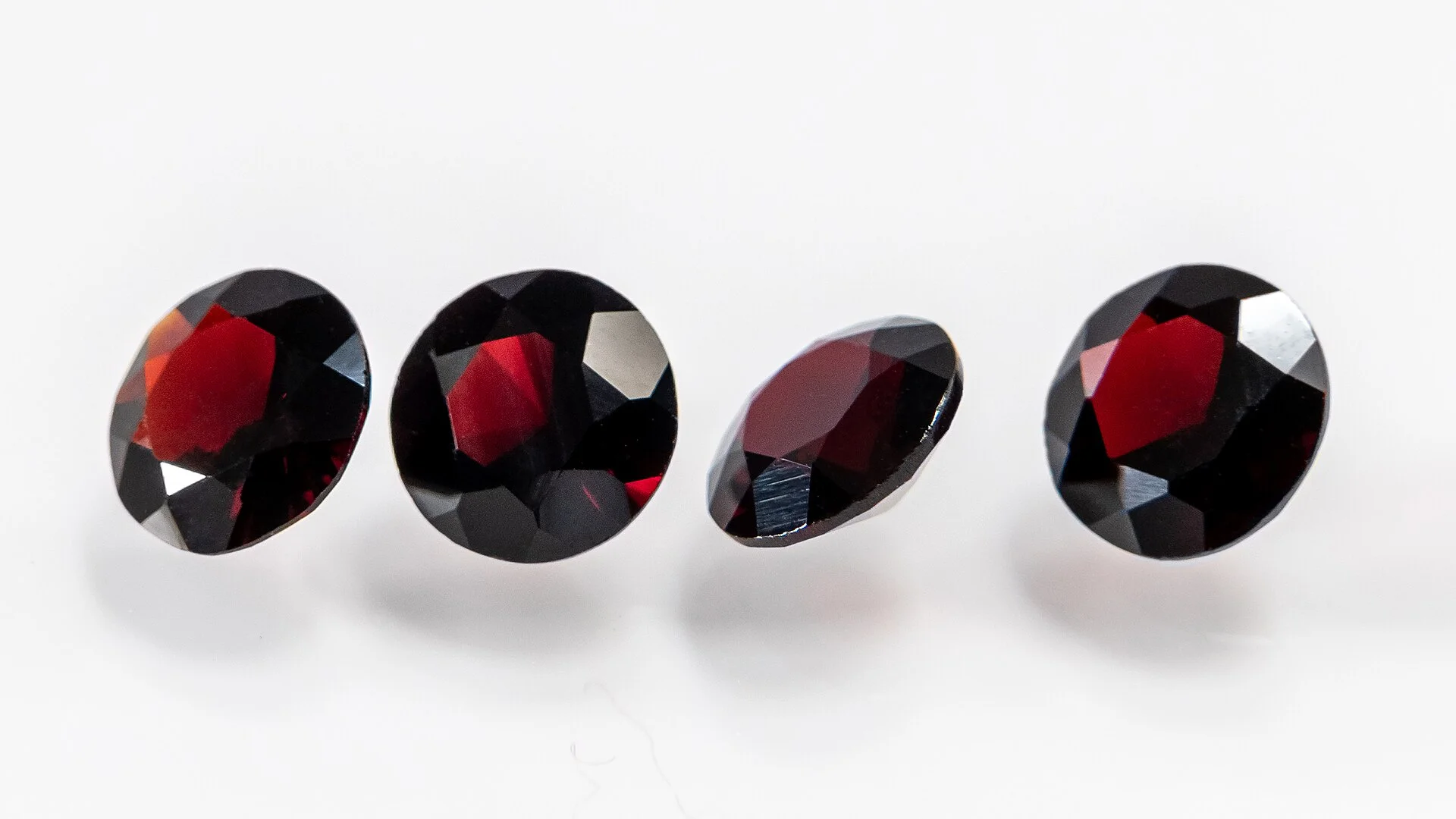
Garnet’s name helps explain one of its most unusual meanings. The Gemological Institute of America (GIA) traces the name to the Latin granatus, associated with the pomegranate. The resemblance is easy to understand when looking at small, dark red garnets beside pomegranate seeds.
That connection also brings in the Greek myth of Persephone, whose eating of pomegranate seeds ties her to the underworld for part of the year. IGS connects the pomegranate imagery with garnet’s later symbolism of the safe return of a friend or loved one.
It’s an interesting association precisely because the myth is more complicated than the reassuring meaning attached to the gemstone. The seeds in Persephone’s story also bind her to return to the underworld. Gemstone symbolism can develop through interpretation rather than follow a myth’s events exactly.
Why Old Garnet Legends Need Context
Some stories now associated with garnet originally referred to a carbuncle. This historical term was used for deep red gemstones before modern gemology consistently distinguished garnets from rubies and spinels.
As IGS explains, some stones called carbuncles were garnets, but others were not. That matters when reading stories about gems believed to produce light or protect their owners.
For example, a medieval text known as The Book of Wings describes protective powers associated with a lion engraved on a garnet. IGS also recounts a tradition about a luminous gem carried on Noah’s Ark, sometimes identified as a carbuncle. These are recorded legends, not observations of a gemstone’s physical capabilities.
Separating the surviving jewelry from the stories told about stones makes garnet’s history more interesting, not less. One shows what people made and wore; the other shows the meanings they attached to precious objects.
What Does Garnet Mean Spiritually?
In contemporary crystal practice, garnet is commonly associated with grounding, emotional strength, passion and renewed motivation. These interpretations are especially common for red garnet, whose color continues to suggest warmth, vitality and connection.
Grounding, in this context, means a sense of steadiness or connection to the present. Someone might wear garnet jewelry as a reminder of that intention or keep a small stone nearby during a reflective practice. The significance comes from the person’s use of the object, rather than an established physical effect of the mineral.
Garnet’s chakra associations are less consistent. Red garnet is frequently paired with the root chakra, which contemporary practitioners connect with stability and security. Other crystal guides also associate garnet with the heart or solar plexus chakras, while some make different assignments according to the stone’s color.
These are interpretations within modern crystal spirituality, not standardized gemological properties. They should not be mistaken for a single ancient tradition shared by every practitioner.
The distinction matters because some crystal descriptions move beyond symbolism and promise relief from anxiety, improved circulation or other health benefits. Such claims are not established by gemstone science.
How People Use Garnet Today
For many people, garnet’s meaning is most tangible in jewelry. A garnet ring or pendant can mark an anniversary, represent a relationship or serve as a reminder of someone important. Unlike a claim that the stone changes a relationship, that symbolic use depends on the meaning the wearer gives it.
Its association with friendship and reunion also makes garnet a thoughtful choice for someone moving away, beginning a journey or celebrating a return. The historical idea of safe travel gives the gift a story without requiring the recipient to believe in protective powers.
Garnet is also January’s birthstone. For someone born that month, a piece of garnet jewelry may carry both a personal date and the gemstone’s traditional associations with affection and loyalty.
In crystal-focused practices, some people use garnet as a reminder of an intention, such as staying committed to a goal or maintaining a sense of stability during a demanding period. Others simply appreciate its appearance. Neither approach requires an elaborate ritual.
The most useful question may be what the stone represents to its owner. A garnet passed down through a family, for instance, can be meaningful because of the person who wore it before, regardless of the spiritual interpretations attached to gemstones.
Is Every Garnet Red?
No. Garnet is a group of related minerals rather than a single gemstone that always has the same color.
According to GIA, five garnet mineral species are especially important in jewelry:
- Pyrope and almandine are commonly found in red to purplish-red shades.
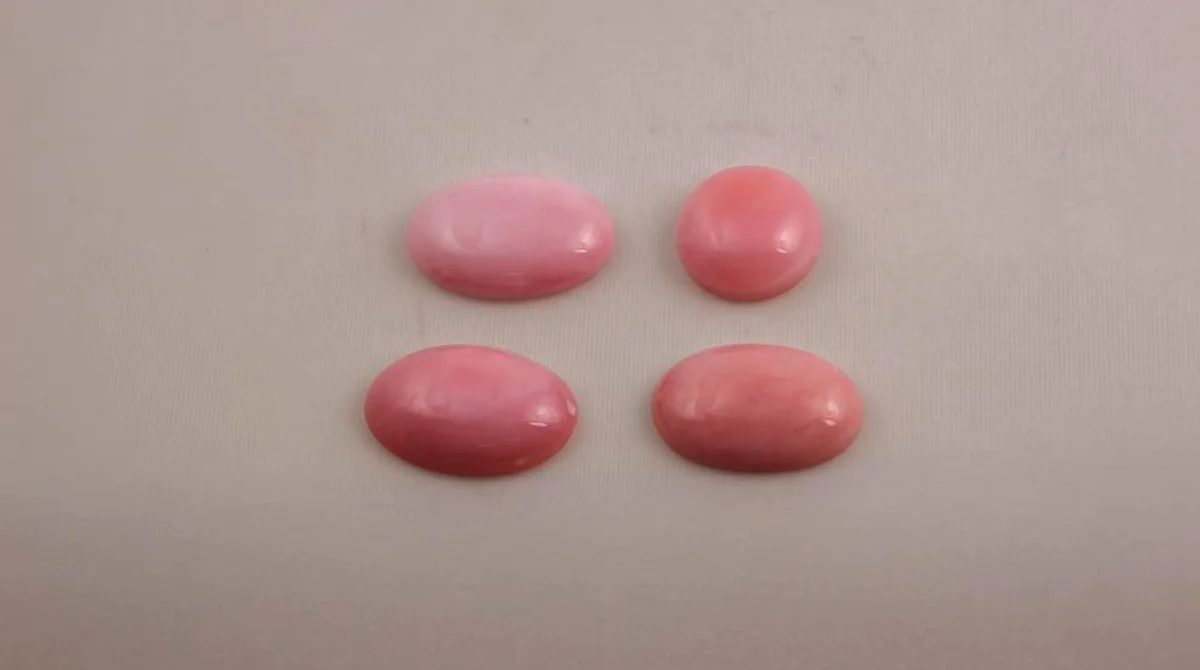
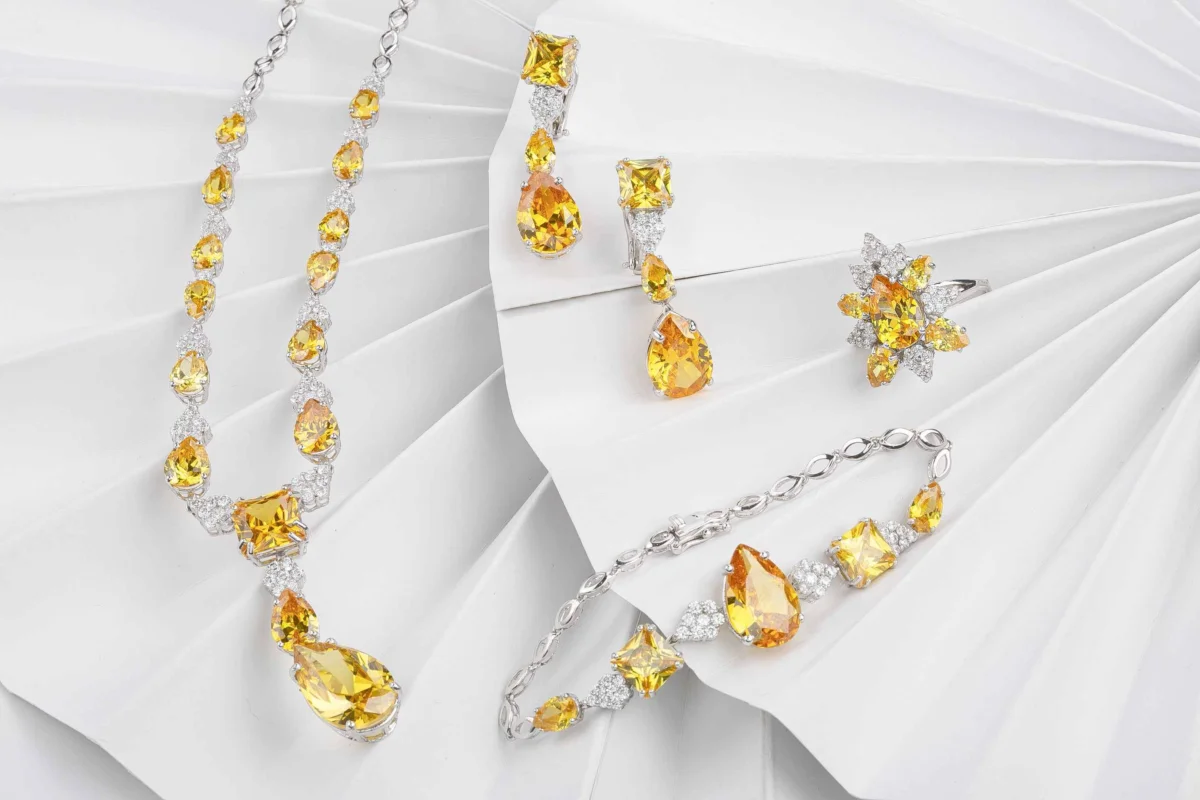
- Spessartine is known for orange and yellow tones.
- Grossular occurs in several colors, including the vivid green variety called tsavorite.
- Andradite includes demantoid, a green garnet variety.
Some garnets can even appear to change color under different lighting conditions. The varieties also differ in rarity, appearance and suitability for particular jewelry settings.
This diversity is worth remembering when reading about garnet’s meaning. Much of the familiar symbolism developed around dark red stones. A green tsavorite is still garnet, but assigning it an entirely different emotional or spiritual significance is a matter of interpretation, not mineral classification.
If you already own a garnet, knowing its variety can tell you something concrete about its color, mineral family and appropriate care.
How to Care for Garnet Jewelry
Garnet is durable enough for many kinds of jewelry, but it isn’t indestructible. The GIA Garnet Care and Cleaning Guide gives garnets a hardness of approximately 6.5 to 7.5 on the Mohs scale, depending on the type, and rates their toughness as fair to good.
That means garnet can be scratched by harder gemstones, including diamond, ruby and sapphire. Storing a garnet ring or pendant separately from other jewelry helps protect its surface.
For cleaning, GIA recommends warm, soapy water. A soft brush can be used for gentle cleaning when appropriate for the jewelry setting. Steam cleaning is not recommended, and ultrasonic cleaning may be unsuitable for fractured or fracture-filled garnets.
Jewelry worn during rough activities also deserves particular care. Garnets can be damaged by hard blows, and an intricate or delicate setting may need advice from a jeweler.
These precautions are about preserving the actual gemstone, not spiritually cleansing or charging it.
Does Garnet Have Proven Healing Effects?
Garnet’s historical and spiritual meanings don’t establish that it can treat physical or psychological conditions. Claims that it improves circulation, reduces anxiety or protects someone from injury should not be treated as medical facts.
That doesn’t prevent someone from finding value in a garnet as a keepsake, a personal symbol or part of a reflective routine. The experience of wearing a meaningful object is different from evidence that the object itself produces a therapeutic effect.
Garnet’s lasting appeal comes from both sides of its story: a gemstone with a documented history in jewelry, and a collection of meanings people have carried forward and adapted. Whether it represents affection, a reunion or simply a January birthday, its significance can be personal without being presented as a promise.