Cocktail attire and semi-formal attire overlap so much that many outfits fit both. Some wedding and fashion publishers, including The Knot, treat cocktail as the slightly dressier, more festive of the two. Etiquette guidance takes a different approach: Emily Post’s attire guide lists cocktail dresses as a semi-formal choice. There isn’t one universally agreed distinction, which is why the invitation, the event, the venue and the timing tell you more than the label alone.
Cocktail Attire vs. Semi-Formal: Where They Overlap
Emily Post describes semi-formal as more formal than office wear but slightly less formal than a formal event. For women, its examples include a short afternoon or cocktail dress, a little black dress, a long dressy skirt with a top, and dressy separates. It has no separate cocktail level. Emily Post also lists festive attire, describing it as cocktail-party dressing with a seasonal touch.
The Knot’s wedding guide does list cocktail on its own, ranking it a step above semi-formal. It describes semi-formal as less embellished, with a quieter kind of elegance. Retailers add their own versions: some call cocktail more glamorous, while others say semi-formal can be just as polished.
| Cocktail attire | Semi-formal attire | |
|---|---|---|
| General formality | Often described as slightly dressier and more festive | Between office wear and formal; Emily Post includes cocktail dresses |
| Typical outfits | Dressy dresses, elevated jumpsuits, polished separates | Polished dresses, wrap dresses, jumpsuits, tailored separates |
| Length | Knee to midi is common; shorter hems are more accepted | Knee to midi is common; some longer dresses also work |
| Fabrics and finishes | Satin, crepe, velvet, subtle shine are common | A wide range, including richer fabrics in the evening |
| Shoes and accessories | Dressy heels or polished flats, small evening bag, statement jewelry | Block heels, sandals or refined flats, simpler jewelry |
| Context | Evening receptions, parties, celebrations | Daytime or evening weddings, dinners, ceremonies |
Treat these as tendencies, not rules. Several of them blur in practice.
What to Wear for Cocktail Attire
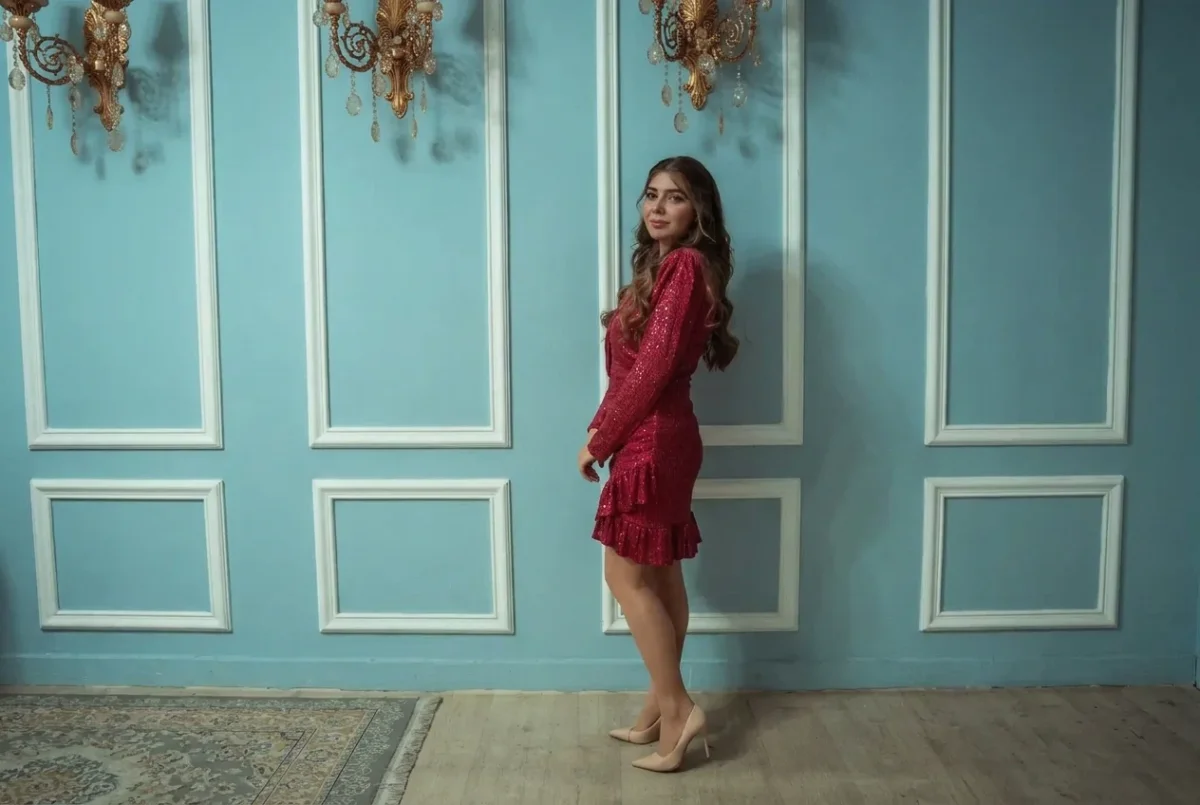
The most reliable choice is a dressy knee-length, tea-length or midi dress. The Knot describes cocktail wedding attire as allowing shorter hemlines than more formal dress codes, often with structured silhouettes and festive accessories. Fabrics with some evening character, such as satin, crepe, velvet or lace, are common, and deeper colors tend to feel at home after dark. None of this is a requirement. The Knot notes that cocktail attire allows more flexibility with colors and patterns than stricter dress codes do.
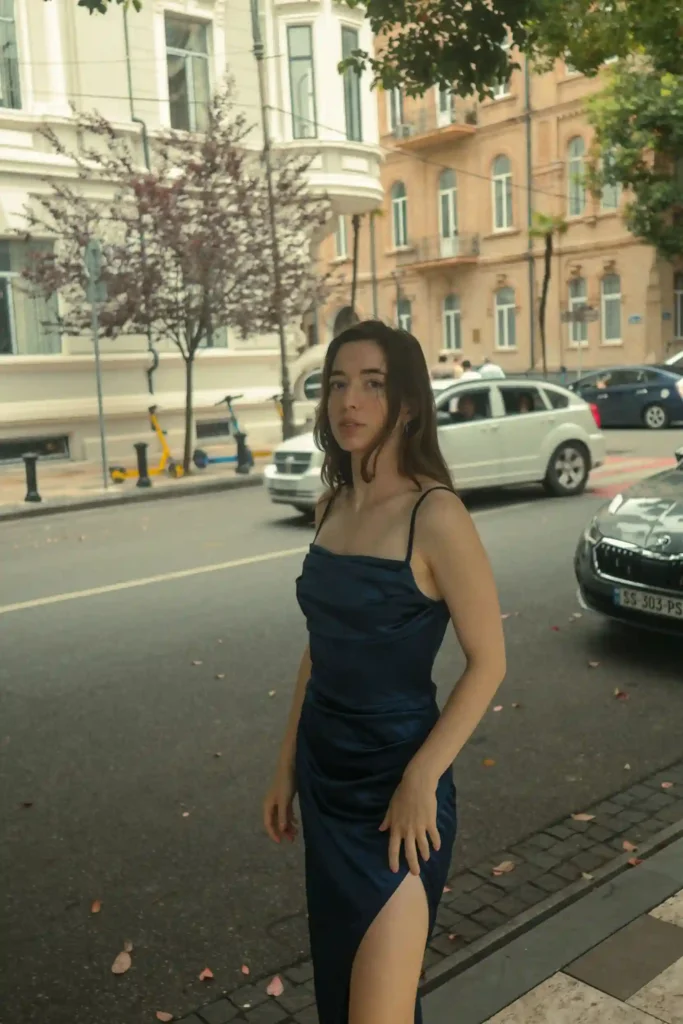
A dress isn’t mandatory. The Knot lists elevated jumpsuits and separates as cocktail options, and Emily Post includes dressy separates in its semi-formal and black-tie-optional examples.
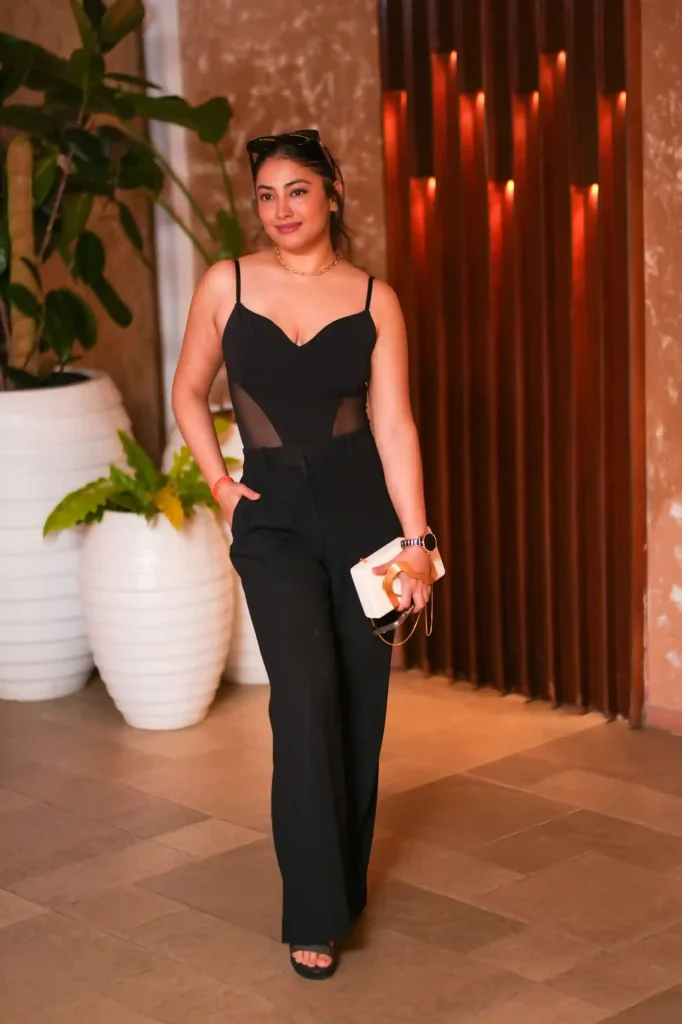
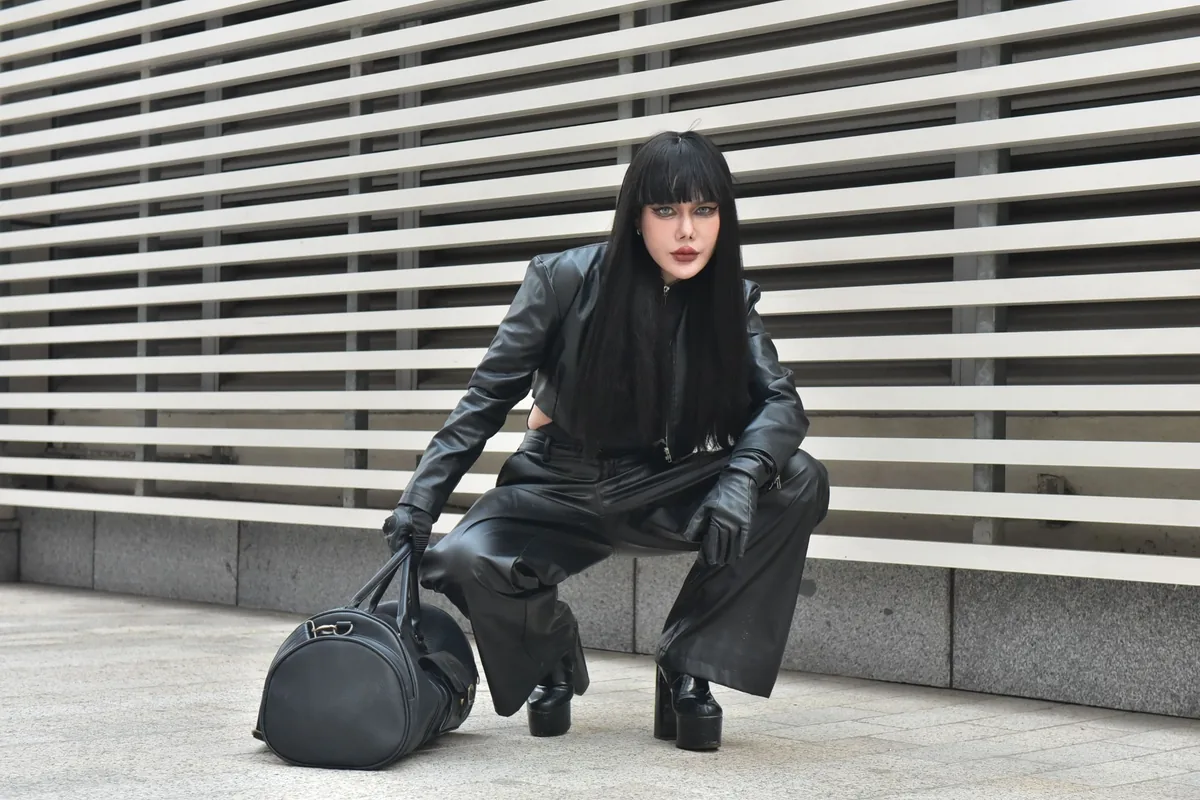
A jumpsuit has to look as dressy as a dress would, and the choice of design matters. Sheer panels or low necklines, like the ones in this photo, may not suit every wedding, ceremony or venue, so consider the setting before settling on one.
Heels are welcome but not required. A polished flat, perhaps with some metallic or embellished detail, can work, and the practical case is strong if you’ll be standing, walking on grass or dancing. Add a small evening bag or clutch and one statement piece, such as earrings. For a cold evening, pick an outer layer that suits the dress: a dressy wrap or a tailored coat can work better than a casual jacket.
At weddings, the couple’s wording and the venue narrow things down. An evening reception at an upscale venue may call for a dressier version of the same outfit than a relaxed garden celebration, even when both invitations say cocktail attire.
What to Wear for Semi-Formal Attire
Semi-formal works in the daytime and in the evening. The Knot’s semi-formal guide recommends knee-length, tea-length or midi cocktail dresses, along with jumpsuits, suits and elevated sets. Some longer dresses can also work, provided their design suits the occasion rather than resembling an elaborate formal gown. Casual sundresses and sneakers are generally less appropriate.
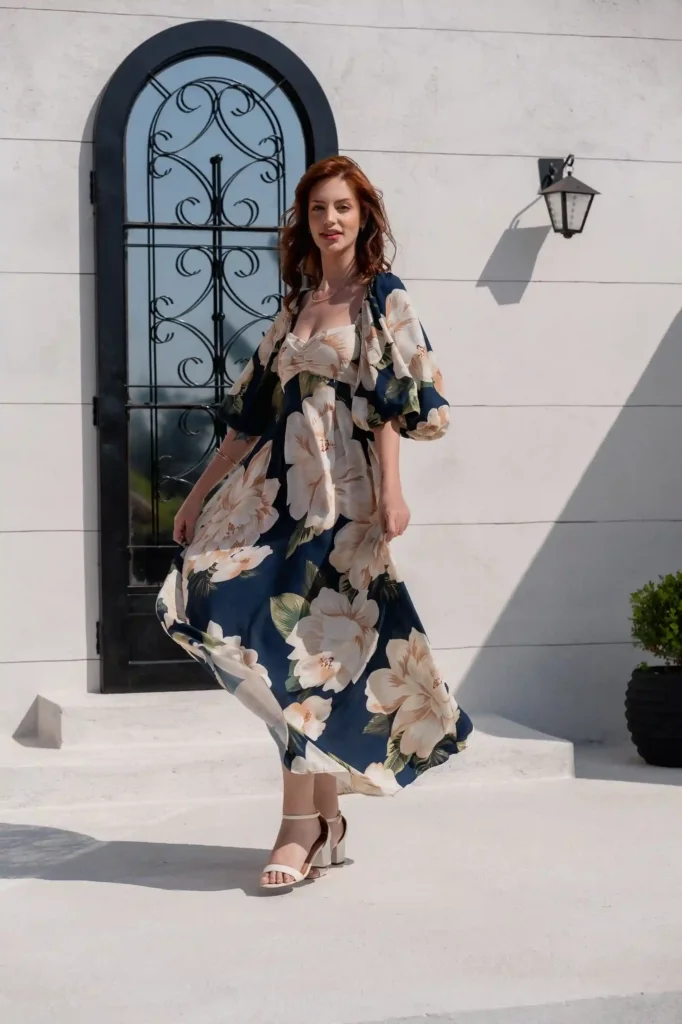
A midi dress in a refined print, with a block heel, is a common daytime approach. That doesn’t make every floral midi dress semi-formal. Fabric, fit and finish count, so a dress that looks like a casual sundress won’t be saved by the print or the shoes.
Tailored separates are an equally good route. Wide-leg trousers with a silky blouse, or a midi skirt with a dressy top and a blazer, fit the “dressy separates” Emily Post lists. For shoes, The Knot mentions pumps, wedges, strappy sandals and refined flats, with block-heel sandals as a way to tone down a fancier outfit.
Semi-formal doesn’t have to be daytime-only, pastel or matte. In the evening, the same silhouettes in richer colors and fabrics can work well. Satin isn’t a reliable marker of cocktail dress, either: The Knot’s own semi-formal examples include a satin midi dress.
Can the Same Dress Work for Both?
Often, yes, if the dress is dressy enough to begin with. Picture a simple black or navy midi dress in a crepe or satin-finish fabric, with a clean neckline and a structured shape. Emily Post lists the little black dress under semi-formal, black tie optional and festive attire, and Adrianna Papell says a simple cocktail dress works for most semi-formal events.
For a semi-formal daytime event or dinner, you might choose block-heel sandals or polished flats, simple earrings, a structured handbag and a tailored blazer. For a cocktail reception, the same dress could take dressier heels or embellished flats, a small clutch, bolder jewelry and a dressy wrap. The dress itself stays the same; the changes are in how it is styled for the occasion.
The idea has limits:
- Accessories can’t automatically make an everyday jersey dress suitable for a dressy event. If the dress itself reads as casual, change the dress.
- A very elaborate floor-length gown may be too much for many semi-formal occasions.
- The invitation’s expectations matter more than any styling formula.
How to Decide When an Invitation Is Unclear
Start with the exact wording. If it names a dress code, use that as your starting point. At a wedding, check the couple’s website, which often has a dress code page or FAQ, according to The Knot.
Then consider the occasion. A wedding may have different expectations from a work dinner, and a ballroom or historic hotel can influence how dressy an outfit feels. NewYorkDress notes that venue and timing can affect expectations. Evening generally calls for more polish than daytime, and Emily Post suggests leaning more formal for later-evening events. Season and footwear matter too: grass, cobblestones and cold weather affect shoes and outerwear.
Take a realistic example: a semi-formal invitation to an evening reception at an upscale hotel. The invitation still calls for semi-formal attire, not formal or black tie. Choosing a dressier version of semi-formal makes sense here. A midi dress in a richer fabric, polished heels or dressy flats, a coordinating wrap and understated jewelry would be reasonable choices. A casual jersey dress or sundress would be less suitable.
If you’re still unsure, ask the host or another guest familiar with the event. When the choice is close, a slightly more polished outfit is often a safer starting point than a casual one.
Where Formal and Black Tie Fit
Formal and black-tie invitations generally call for a more elevated level of evening dress. The Knot describes floor-length gowns as a standard black-tie choice, while Emily Post’s black-tie-optional category allows a formal gown, a dressy cocktail dress or dressy separates. If an invitation uses either term, follow that dress code specifically rather than assuming cocktail or semi-formal guidelines are interchangeable.
The Short Version
Cocktail and semi-formal attire often allow similar outfits, and neither dress length nor fabric alone settles the difference. A versatile dress in a sufficiently dressy fabric can work for both, with the invitation, venue and timing guiding the styling. When expectations remain unclear, asking the host is the simplest solution.