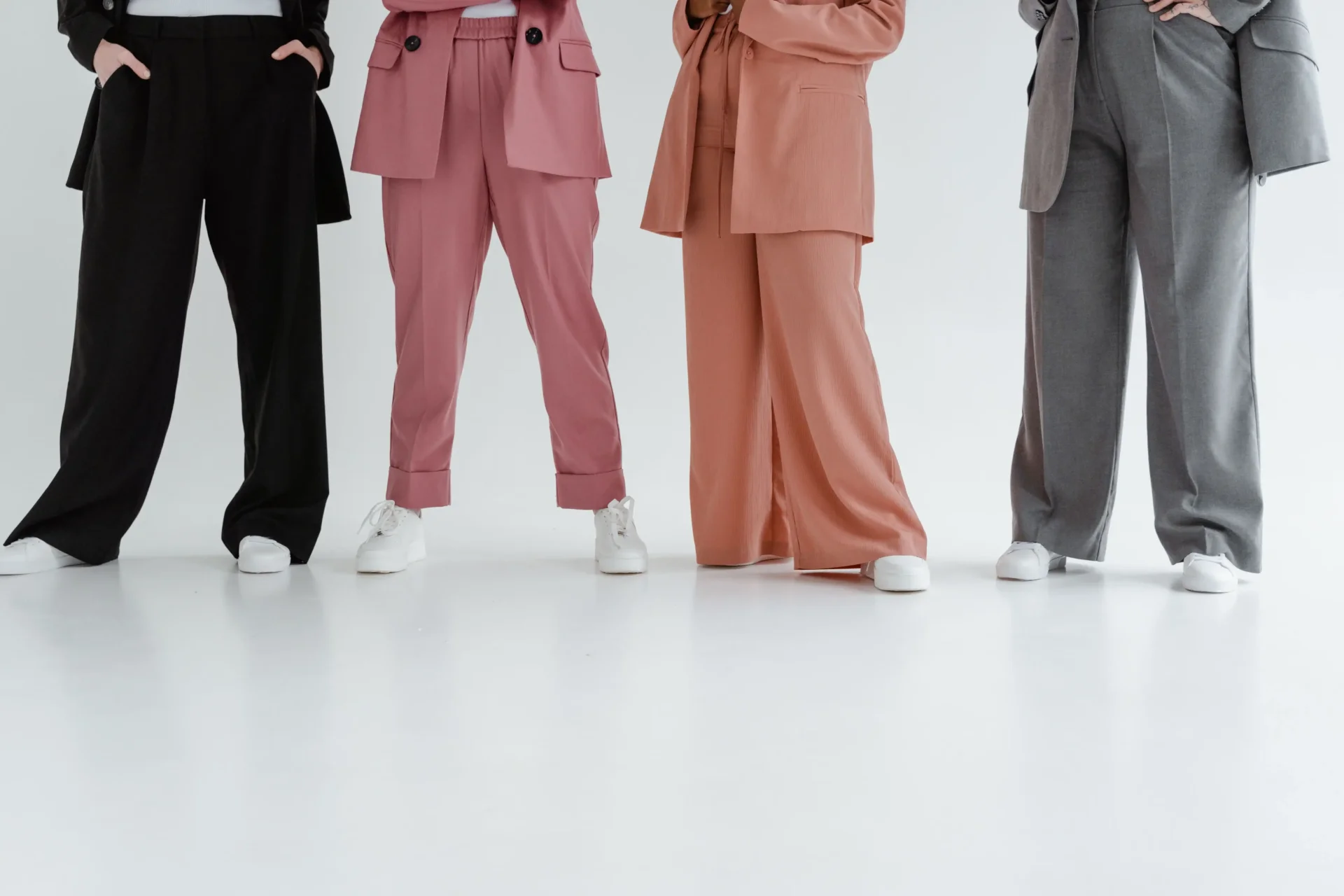
Nearly any shoe can work with wide-leg pants, from sneakers and loafers to flats, boots, sandals and heels. What changes is how well it works with the pair in your closet, and that mostly comes down to where the hem lands once the shoes are on. Put the pants on with the shoes you plan to wear, walk across the room, and see whether the fabric skims, pools or stops short.
Start With the Length of Your Wide-Leg Pants
Cropped pants end above the ankle, which puts the shoe on display. Ankle-length pants show a little less. Full-length pants often cover much of the shoe, so their hem needs particular attention.
Cropped hems give you the most freedom. Charles & Keith, a shoe retailer, suggests sneakers, ankle boots, heeled sandals and pointed flats for them, since the shoe becomes part of the outfit.
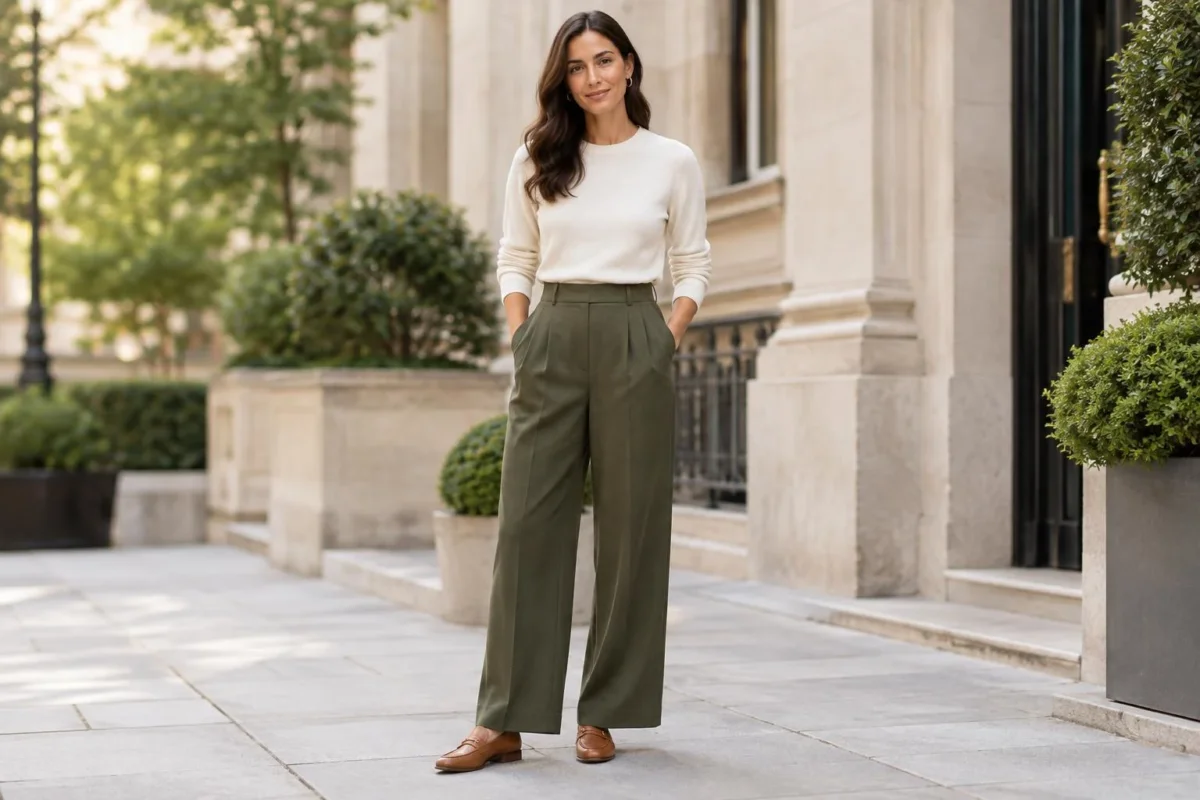
Full-length pants raise the practical question. A hem that drags picks up dirt and can fray. The same retailer says dragging hems can even damage the pants. There are two ways to deal with it. One is a shoe with some lift, such as a platform, a block heel or a loafer with a chunky sole. The other is to shorten the hem to suit flatter shoes.
The sources take different approaches. Charles & Keith favors heels and platforms for floor-length pants, while Who What Wear considers flats a good option with wide-leg pants. The practical question is whether your chosen shoes keep the hem off the ground when you walk.
If you wear flats most days, ask a tailor to hem the pants to them, and bring the shoes to the fitting. If you switch between flats and heels, hem for the pair you wear most.
Which Shoes Work With Wide-Leg Pants?
Here’s how the main options compare.
| Shoe | Works especially well with | Worth checking |
| Sneakers | Cropped or ankle-length pants, wide-leg jeans, casual days | Thicker soles give a longer hem some lift; athletic styles may not suit a dressier office |
| Loafers | Tailored trousers, work outfits, jeans | Check that the hem clears the ground; a thicker sole can help with longer pants |
| Ballet flats or pointed flats | Cropped or ankle-length pants, or pants hemmed for flats | Floor-length hems can drag |
| Ankle boots | Cooler weather; slim styles slip under the hem | Chunky soles can help longer hems clear the ground; bulky knee-high boots may interrupt the silhouette, per Who What Wear |
| Sandals and slides | Warm weather, linen, cropped pants | Open toes aren’t allowed in every workplace; hems get wet more easily |
| Heels and platforms | Full-length pants, dressier plans | Check fit and walking comfort; wider heels may feel steadier, but platforms aren’t automatically more comfortable |
Some stylists favor pointed toes for a longer line, but nothing about wide-leg pants requires one. If you prefer a rounded toe, wear it.
What Shoes Work With Wide-Leg Jeans, Tailored Trousers and Linen Pants?
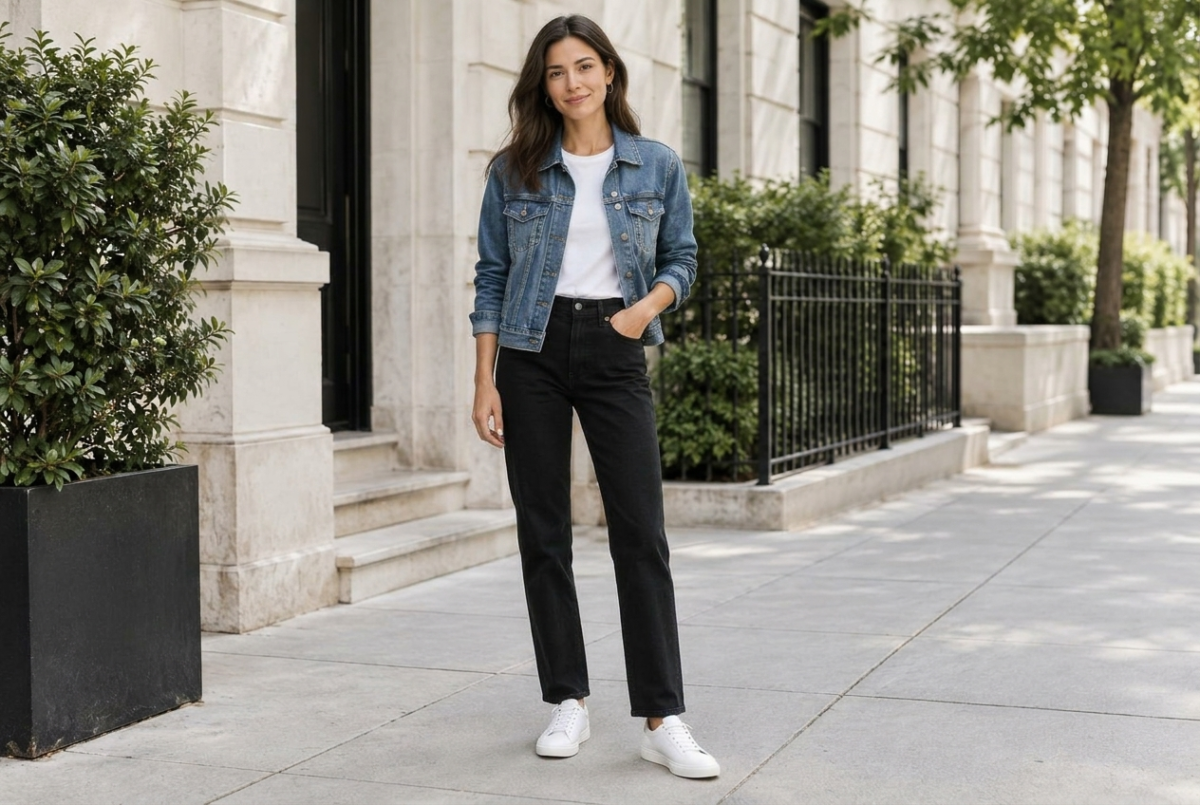
Wide-leg jeans lean casual, so sneakers, loafers and flat boots all fit. Cropped wide-leg jeans with simple sneakers and a cotton shirt make an easy everyday outfit. The ankle shows, the shoe is part of the look, and clean, uncluttered sneakers keep it from looking accidental. Charles & Keith notes that a jean’s hem finish can affect how much shoe is visible, while darker denim washes can suit both casual and dressier footwear.
Tailored trousers have more structure, so they pair well with loafers, pointed flats, low pumps and slim ankle boots. Brown wide-leg trousers with a loose white shirt and sneakers can also work for a relaxed brunch outfit.
Linen and other light, soft fabrics suit flat sandals, slides and ballet flats. Charles & Keith suggests matching light fabrics with lighter shoes and heavier ones with sturdier shoes. Treat that as a preference, since plenty of people wear sneakers with linen.
What to Wear to the Office Without Heels
Heels aren’t required with tailored wide-leg trousers. Camel or gray trousers with a fine-knit top tucked in and a pair of lug-sole loafers make a complete outfit, and the chunkier sole helps a longer hem. For cooler days, black wide-leg trousers, a crisp shirt and low-profile ankle boots work the same way.
Sneakers are more variable. Minimal leather sneakers pass in some relaxed offices and not in others, and in a business-casual office, loafers or flats are the safer bet. Open-toed shoes depend on policy too. Who What Wear calls open-toed mules the demure sandal for warm-weather offices, but plenty of workplaces don’t allow open toes at all.
Shoes for Warm Weather, Rain and Long Walking Days
In hot weather, flat sandals or slides keep wide-leg pants relaxed. With flat sandals, make sure a longer hem doesn’t trail on the ground.
Rain is hard on long hems, because wet fabric darkens and collects dirt. When rain is likely, cropped pants help keep fabric off wet ground. Ankle boots with suitable grip can also be useful, as long as the hems don’t drag. Who What Wear suggests lug-sole flat boots for colder weather because the thicker sole can help keep longer hems off the ground, while the flat design offers an alternative to heeled boots. It also notes that bulky knee-high boots can disrupt the pants’ silhouette, which is a style opinion, not a practical limit.
For long days on your feet, choose shoes that fit well and feel comfortable for walking. Supportive sneakers or cushioned clogs may work, but platform height alone doesn’t guarantee comfort.
Do Petite Women Need Heels With Wide-Leg Pants?
No. Who What Wear says wide-leg pants can overwhelm petite frames and recommends lift, such as kitten-heeled mules or pointed pumps. Its UK edition also notes that petite dressers with dragging hems may not like flats. Those are aesthetic judgments, not rules.
If you’d rather not add height, there are other options. Look for pants cut shorter, ask a tailor to hem them to the shoes you already own, or choose a cropped length. Taller readers have the opposite problem, a hem that stops short of the shoe, so tall sizes or a deliberately cropped look can help.
A shoe works if the hem clears the ground, you can walk comfortably in it and it suits where you’re going. Everything else is taste.