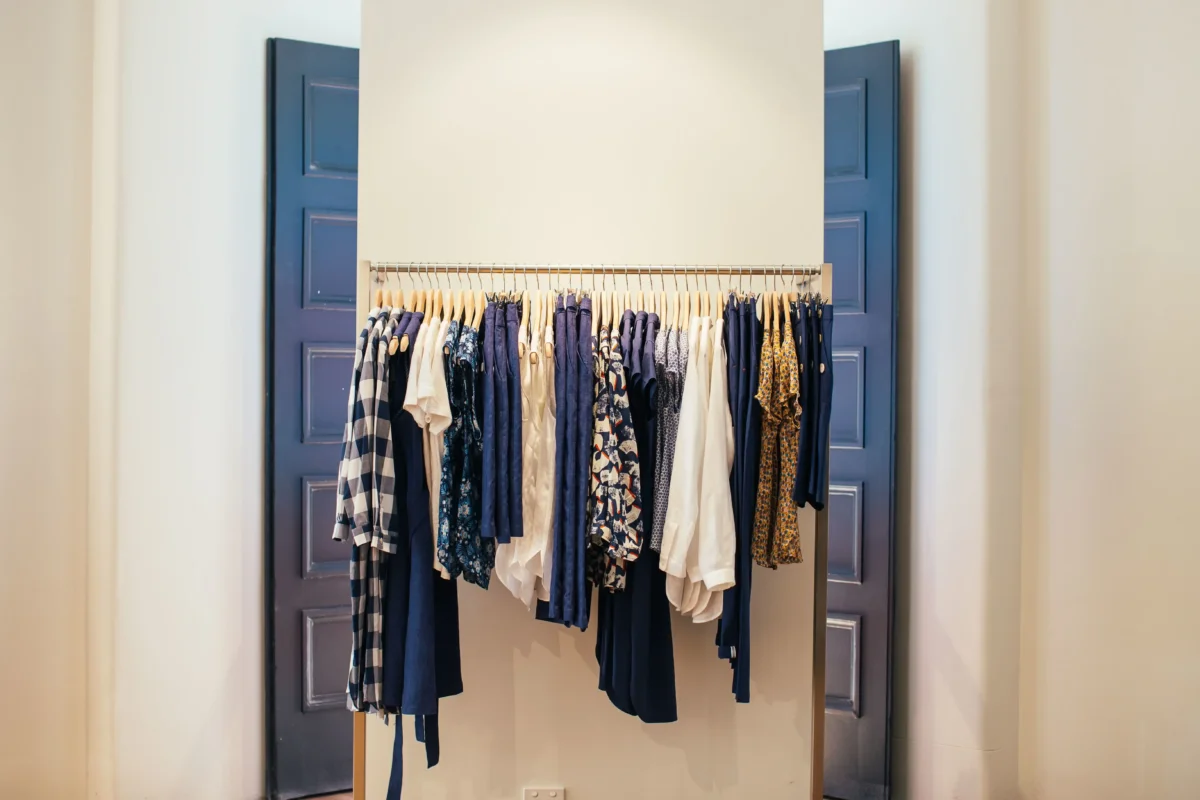
At 65°F (about 18°C), a T-shirt or lightweight knit with jeans, trousers or a midi skirt is a practical starting point. You may not need a jacket on a calm, sunny afternoon, but a cardigan, denim jacket or other light layer can help if it’s windy, you’re sitting outdoors or the temperature will drop later.
Before getting dressed, check whether 65°F is the temperature outside now or simply the day’s forecast high. If you’re leaving early and coming home in the evening, what feels comfortable in the afternoon may not be enough for the rest of your day.
You can build outfits for either situation using clothes you already own.
What Does 65°F Actually Feel Like?
The temperature on your weather app doesn’t tell you everything about how comfortable you’ll feel outside.
Sunshine makes a difference. Standing in direct sunlight may feel pleasantly warm, while sitting in the shade at the same air temperature can feel noticeably cooler.
Wind matters too. Moving air can carry heat away from exposed skin, making a light jacket useful even when the thermometer hasn’t changed. The National Weather Service’s wind-chill guidance explains this heat-loss principle, although its formal wind-chill temperature calculation applies only at 50°F or below, not at 65°F.
Activity changes things as well. You may be comfortable walking briskly in a long-sleeve top but want another layer when sitting outside for an hour.
Rain adds another consideration. Damp clothing can feel uncomfortable, and a regular cotton jacket won’t necessarily keep you dry.
Finally, check the hourly forecast. If 65°F is the day’s high, it might be cooler when you leave home or return later. The size of that temperature change depends on the location and weather conditions.
Rather than dressing for a single number, think about what you’ll actually be doing outdoors.
Do You Need a Jacket in 65-Degree Weather?
Not necessarily. A jacket is optional at 65°F, but a removable layer is often convenient when your plans involve changing conditions.
If you’re heading out for a short walk on a calm, sunny afternoon, a comfortable top and jeans may be enough. If you’ll be commuting early, sitting in the shade or staying out after sunset, bringing a light layer gives you another option.
The aim isn’t to dress as warmly as possible. It’s to wear something comfortable that you can adjust without changing your whole outfit.
Practical Outerwear Options
Denim jacket: A useful casual layer over a T-shirt or thin knit. Check that the shoulders and sleeves have enough room to move comfortably. Jacket length also matters when wearing dresses or high-rise trousers, so consider how you style a denim jacket with the rest of your outfit.
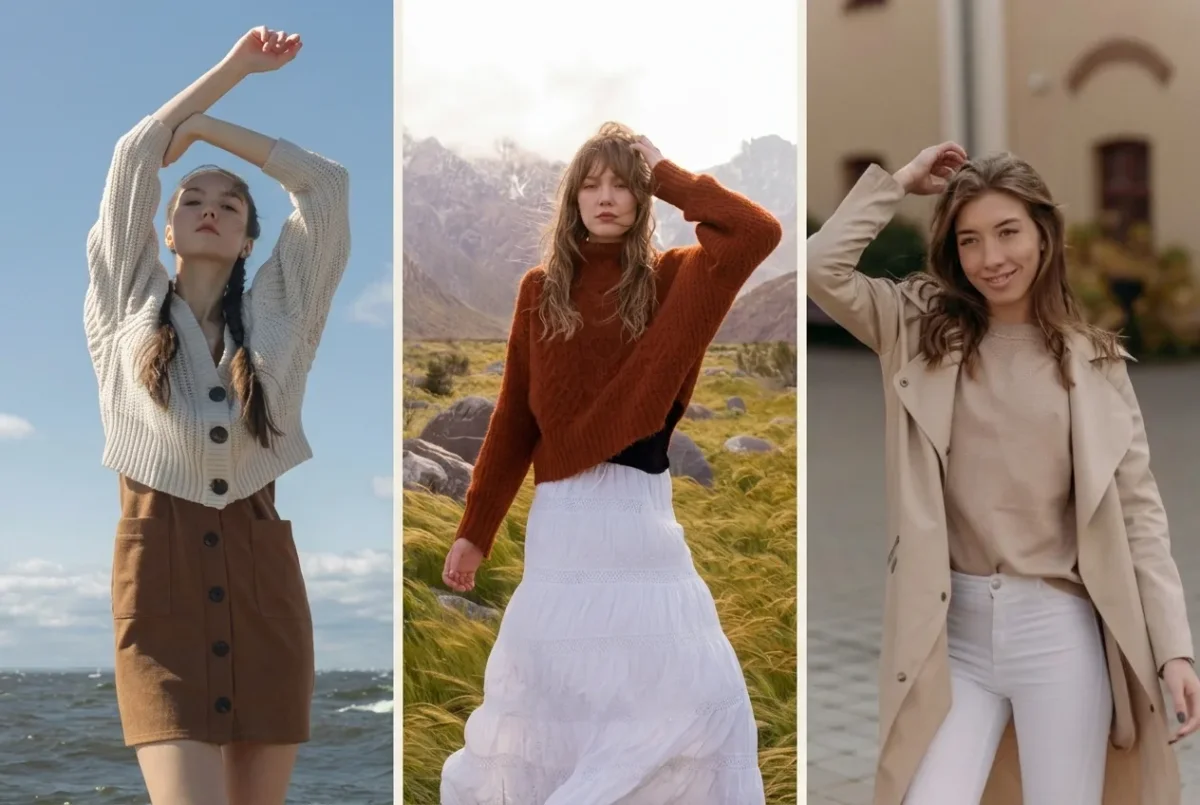
Light cardigan: Easy to wear over a tee, tank or simple dress. A thinner cardigan is convenient if you expect to remove it during the afternoon. It may offer less protection from a strong breeze than a more closely woven outer layer.
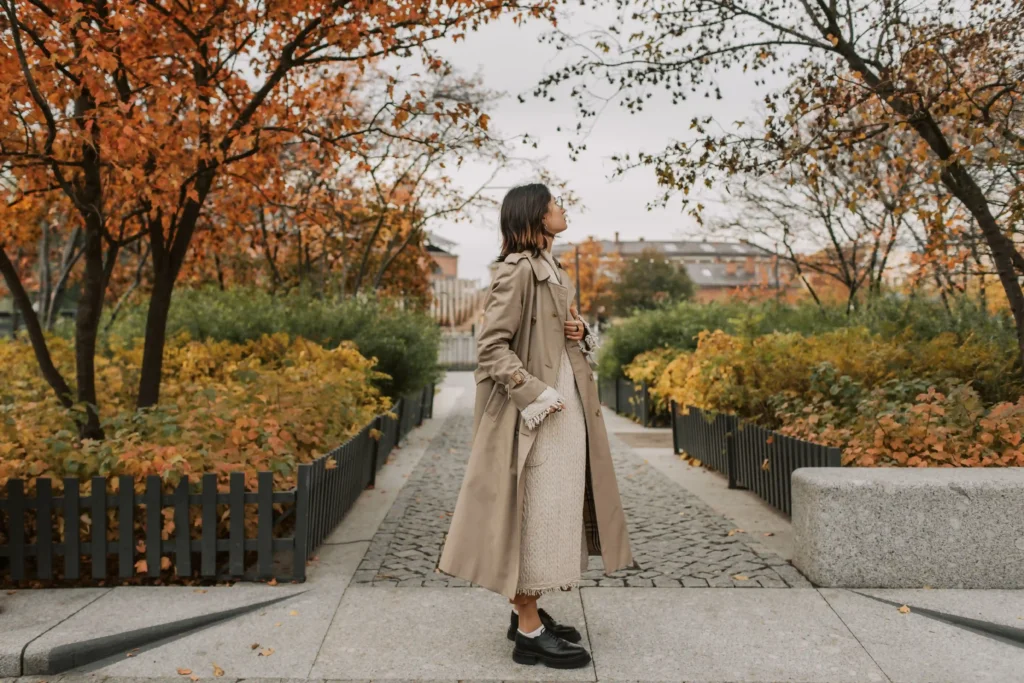
Lightweight trench coat: A practical option when you want more coverage, especially for commuting. A trench can help block some wind, but don’t assume every cotton trench is rain-resistant. Check the garment’s actual construction and care information before relying on it in wet weather.
Unlined blazer: Useful when your day includes an office or a slightly dressier occasion. It can add an extra layer over a blouse or fine knit without requiring a heavy coat.
A thick winter coat might feel excessive during a mild afternoon, but personal comfort and conditions still matter.
Quick Guide: What to Wear in Different Conditions
| Conditions | Practical starting outfit | When an extra layer may help |
| Sunny, calm afternoon | Cotton tee or light knit with jeans or trousers | If you spend a long time sitting in shade |
| Breezy or cloudy | Long-sleeve top with comfortable pants | A denim jacket or wind-resistant light layer |
| Cooler morning, 65°F high later | Tee or blouse with trousers | A removable cardigan, blazer or light jacket |
| Light rain | Comfortable layers and shoes with suitable grip | A water-resistant jacket or raincoat |
These are starting points, not fixed requirements. Your activity, personal temperature preference and local forecast should guide the final choice.
Practical 65-Degree Weather Outfits for Women
You don’t need special transitional-weather clothes. A few familiar pieces can create outfits that work in different conditions.
1. Casual Weekend: Jeans and a Denim Jacket
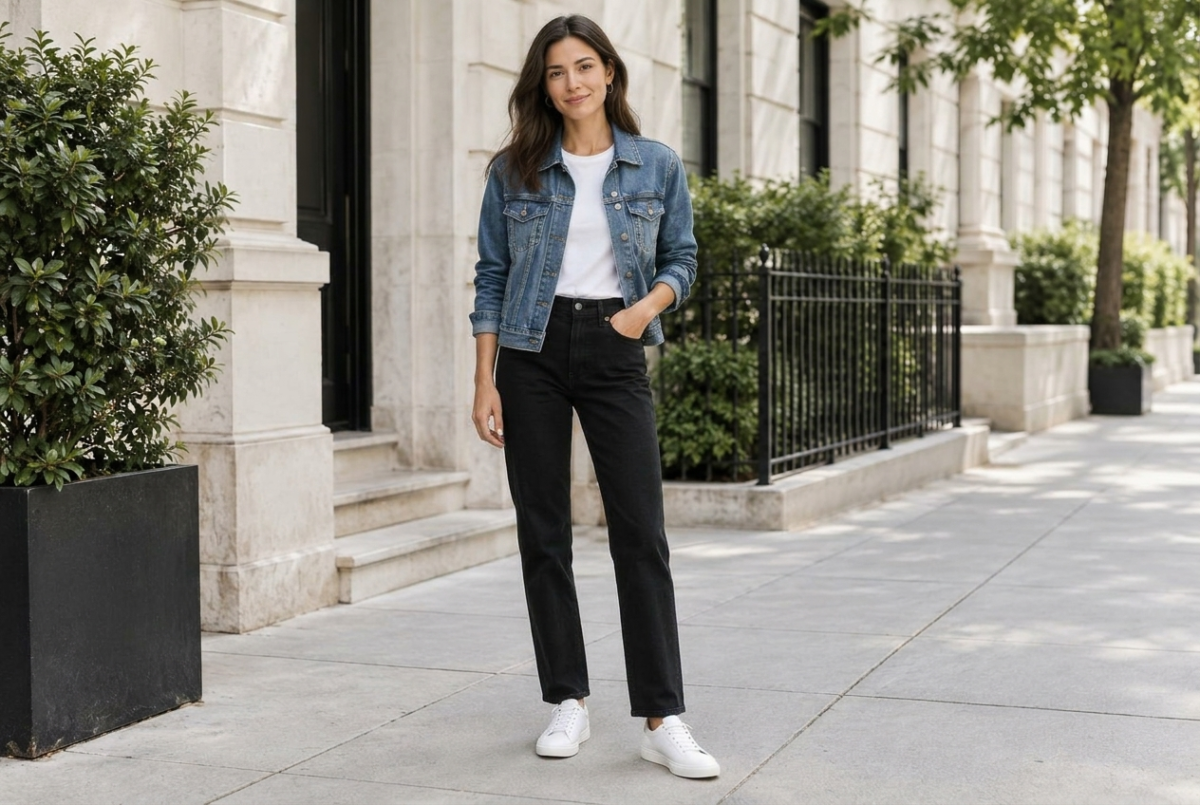
Start with straight-leg jeans, a white cotton T-shirt and comfortable sneakers. Add a medium-wash denim jacket if you’ll be outdoors for a while or expect a cooler breeze.
The T-shirt and jeans work as a complete outfit when you take the jacket off. You don’t have to keep the extra layer on just because you brought it.
If the afternoon turns warmer, carry the jacket or fold it into a bag if there’s room. If you’re sitting outdoors later, you’ll have something to put back on.
This is a practical choice for errands, a casual lunch or a relaxed weekend walk.
2. Office Commute: Tailored Trousers and a Light Layer
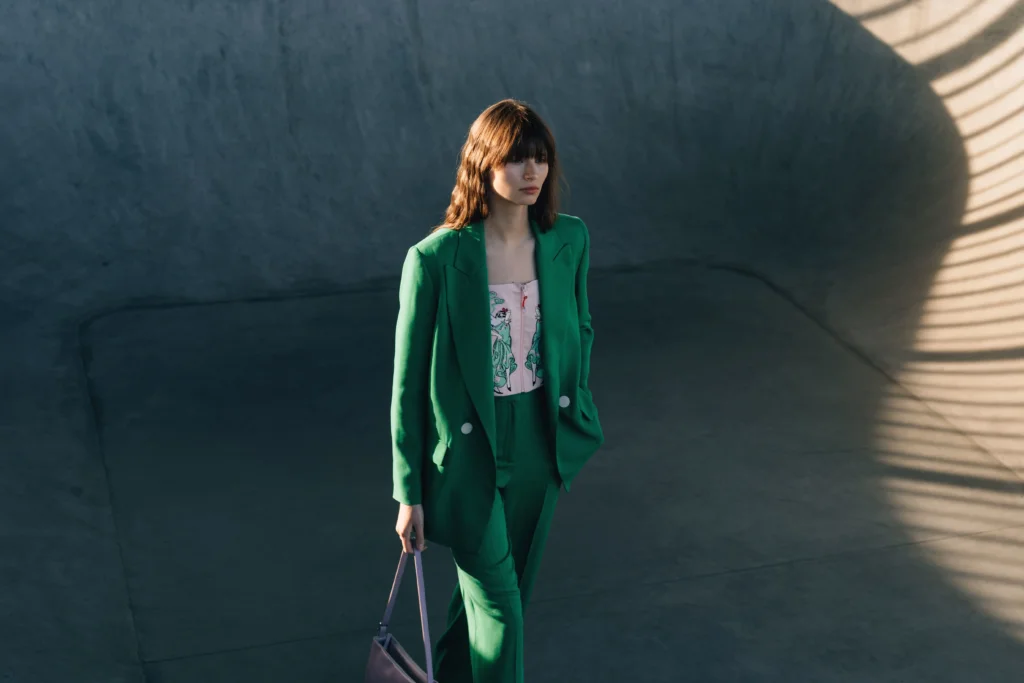
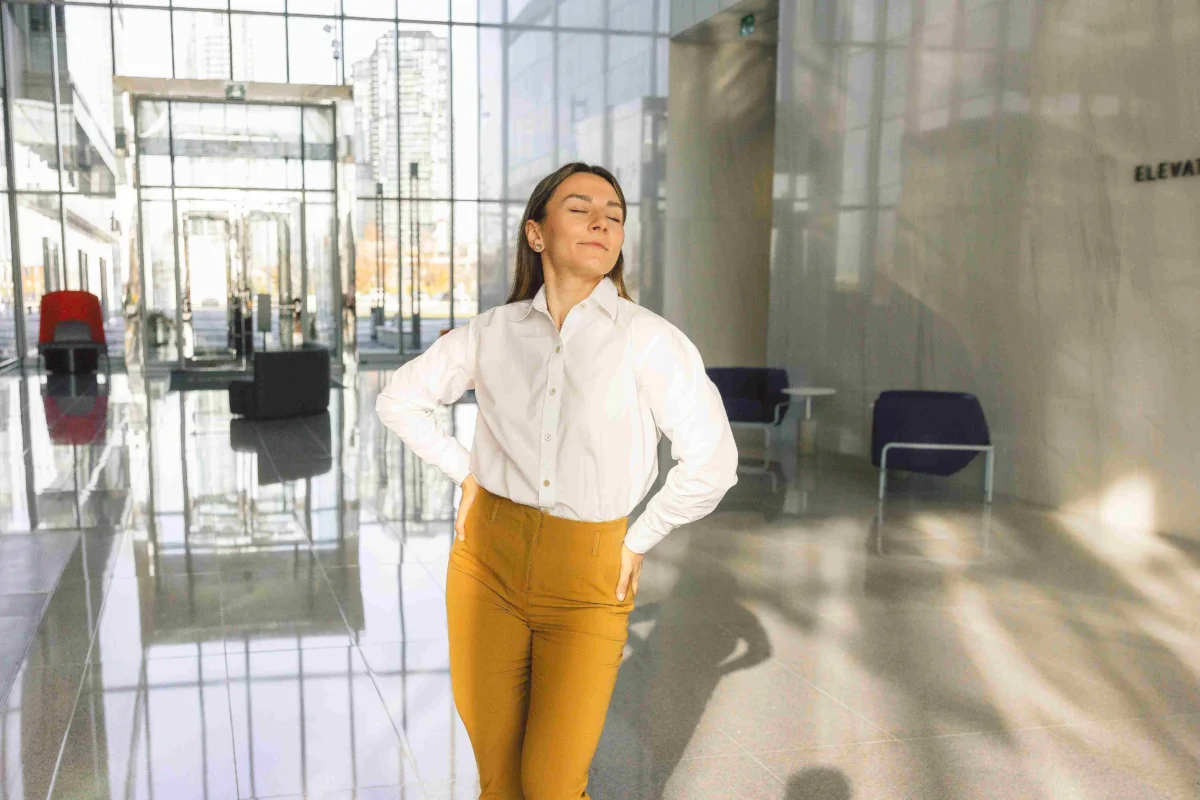
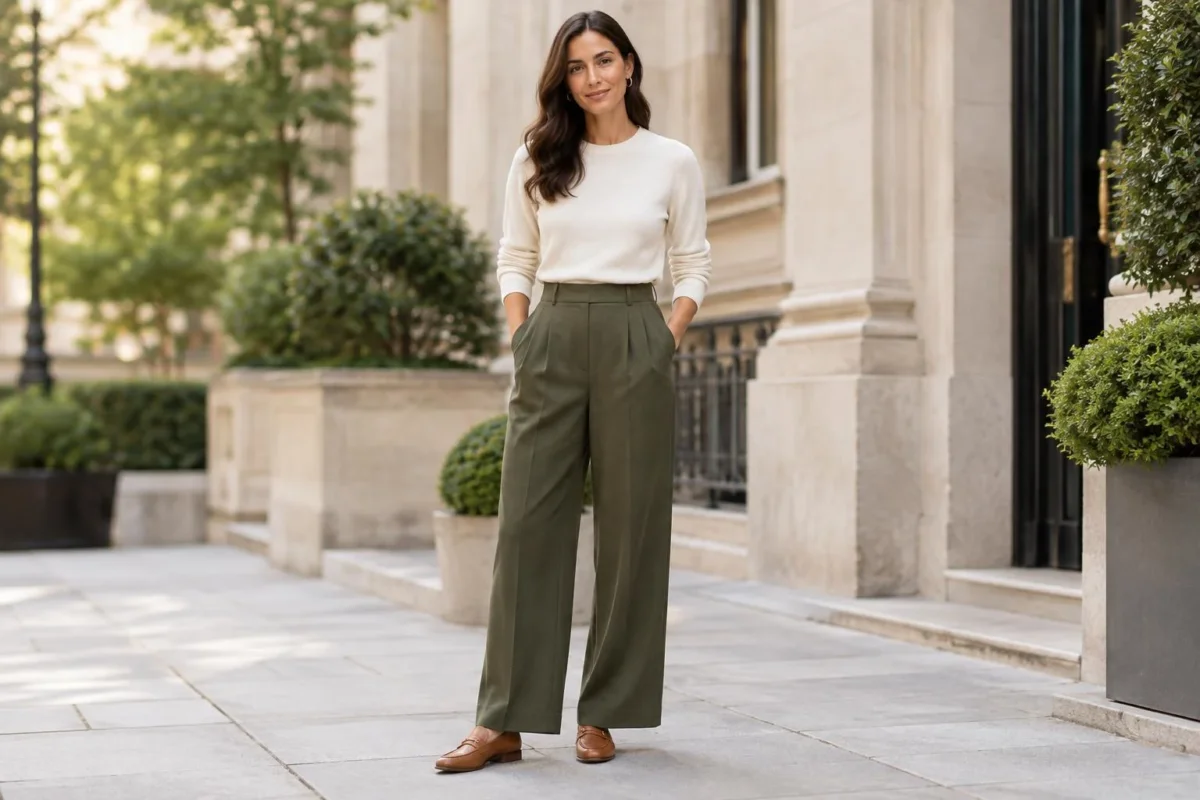
For work, try tailored trousers with a thin knit or blouse, leather loafers and an unlined blazer or lightweight trench coat.
The extra layer can be useful during a cooler commute, while the blouse or knit remains appropriate on its own indoors.
Dress codes vary, though. A blazer isn’t automatically necessary in every workplace, and sneakers or relaxed trousers may be acceptable in some offices. The distinction between smart casual and business casual depends on the employer and occasion.
If you choose wide-leg trousers, check their length with the shoes you’ll actually wear. A hem that works with heels may drag when you switch to flats. Different shoe options for wide-leg pants can help you plan around that difference.
3. Outdoor Lunch: A Midi Dress or Skirt
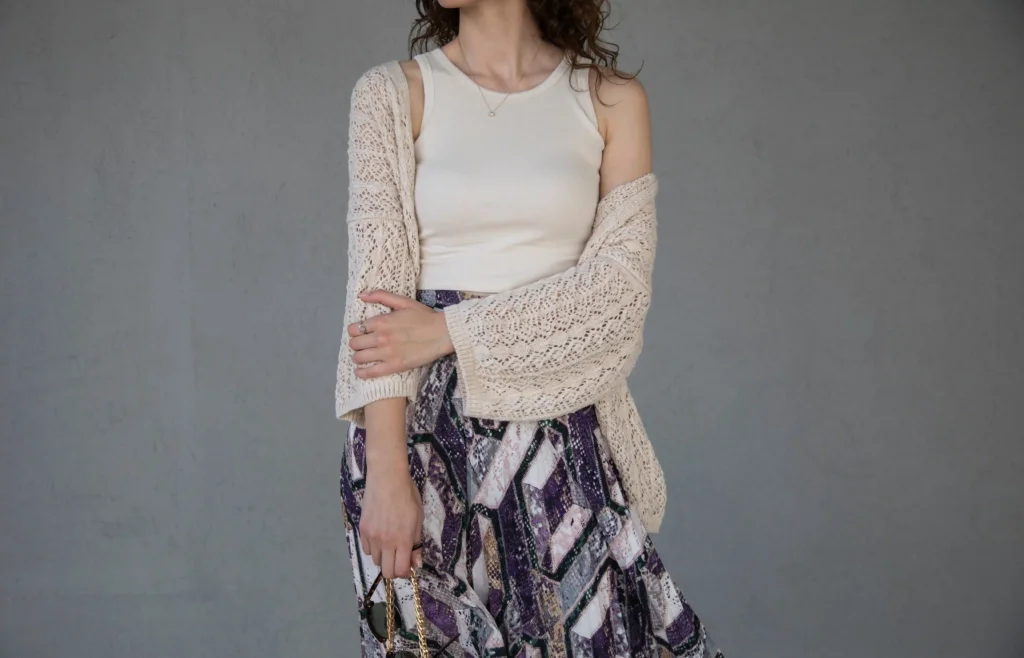
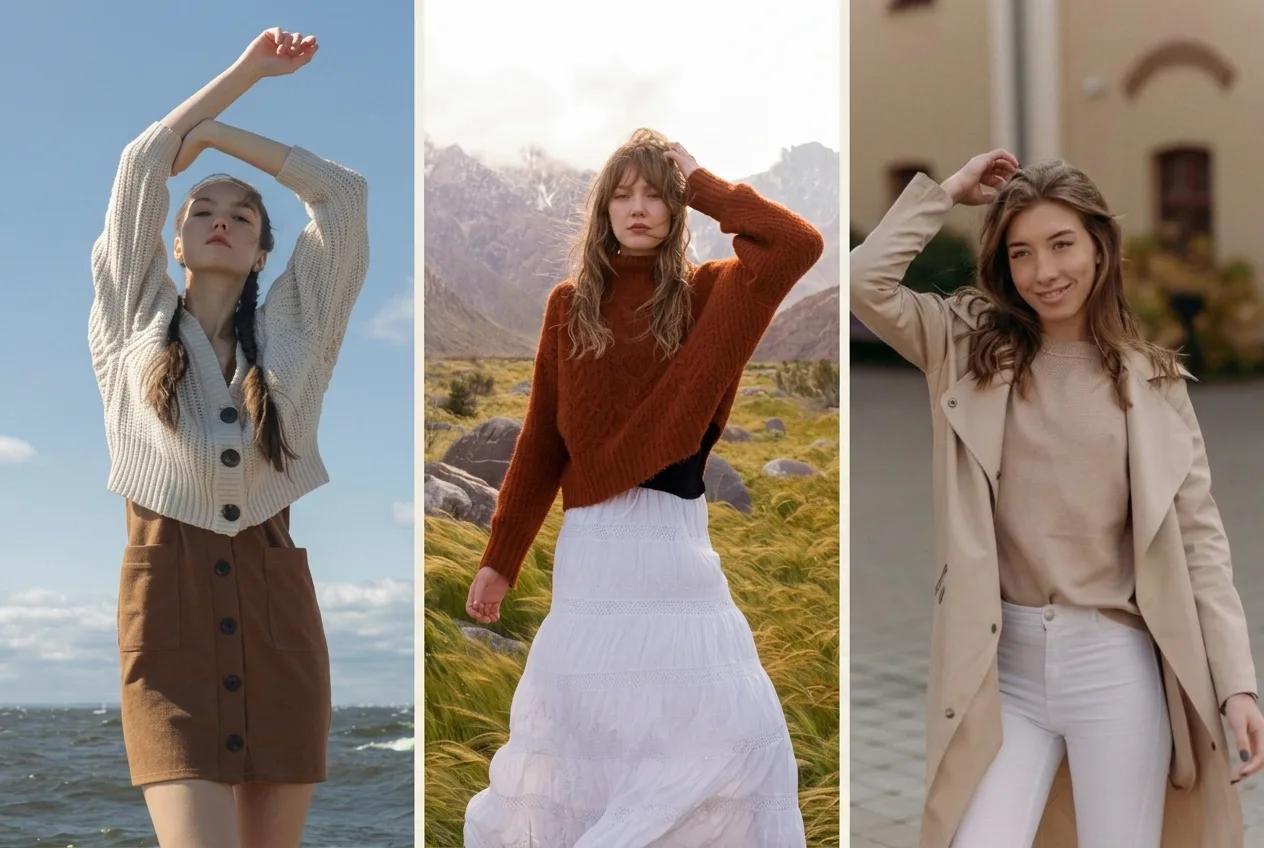
A cotton or jersey midi dress with a light cardigan and comfortable sneakers or ballet flats can work well for a mild afternoon.
If you prefer separates, try a midi skirt with a tucked-in tee and a cropped cardigan. The cardigan is useful when you move from a sunny sidewalk to a shaded restaurant patio.
A midi hem gives some leg coverage, but it doesn’t guarantee warmth. If you tend to feel cold while sitting outside, consider a longer layer, tights or trousers instead.
For shoes, choose what feels comfortable for the amount of walking and time outdoors you expect. Sandals can also work on a mild day if you prefer them.
4. Walking and Errands: Comfortable Pants and a Windbreaker
If you’re spending much of the day walking, try relaxed chinos, leggings or ponte pants with a lightweight long-sleeve top and supportive sneakers.
A packable windbreaker can be useful if the forecast calls for breezy conditions. Choose one that fits comfortably over your top and can be carried easily when you’re warmer.
Because walking generates body heat, you might need fewer layers while moving than you would when standing still.
If rain is possible, check whether your jacket is actually water-resistant and whether your shoes have suitable traction. Ordinary casual clothing isn’t necessarily designed for wet conditions.
What Shoes Work in 65-Degree Weather?
At 65°F, there’s no single footwear rule. The best choice depends on your outfit, the ground conditions and how much walking you’ll do.
Sneakers are practical for errands, commuting and casual outfits. Choose a comfortable pair, and check the soles for grip if sidewalks may be wet.
Loafers and ballet flats can work with tailored trousers, jeans or midi skirts. Consider socks if your feet tend to feel cool, especially during the morning.
Ankle boots are another option for cloudy days or cooler evenings. With full-length trousers, make sure the hems sit comfortably over the boots rather than catching around the ankles.
Sandals can be perfectly reasonable on a warm, dry afternoon. If you’ll be outside for hours or returning when it’s cooler, decide whether you’ll still feel comfortable wearing them.
Rain changes the decision more than the temperature alone. Suede, ordinary leather and smooth-soled shoes vary in how well they handle wet conditions, so check the specific footwear rather than relying on its style.
What Changes at 60°F or 70°F?
A difference of five degrees may change what feels comfortable, but it doesn’t create a universal clothing rule.
Around 60°F: You may prefer a long-sleeve top, sweater or light jacket, particularly if it’s windy, cloudy or you’ll be sitting outdoors. Some people will still be comfortable in fewer layers.
Around 70°F: A single lightweight top, shirt or dress may be enough on a calm day. If the weather is breezy or you’ll be somewhere with strong air conditioning, an extra layer can still be useful.
At 65°F, you can take the same approach: begin with a comfortable outfit and adjust according to the actual conditions.
Before You Leave Home
Check the current temperature as well as the day’s high. Look at the wind and rain forecast, and think about how long you’ll be outside.
If you’re unsure whether to bring a layer, consider whether it’s easy to remove and carry. Your base outfit should feel comfortable on its own if you take the jacket off.
Finally, walk around in your shoes and check how your outfit moves when you sit or reach.
Dressing for 65-degree weather doesn’t require a new wardrobe. A comfortable base outfit, appropriate footwear and a removable layer when needed can handle many mild-weather days without much planning.