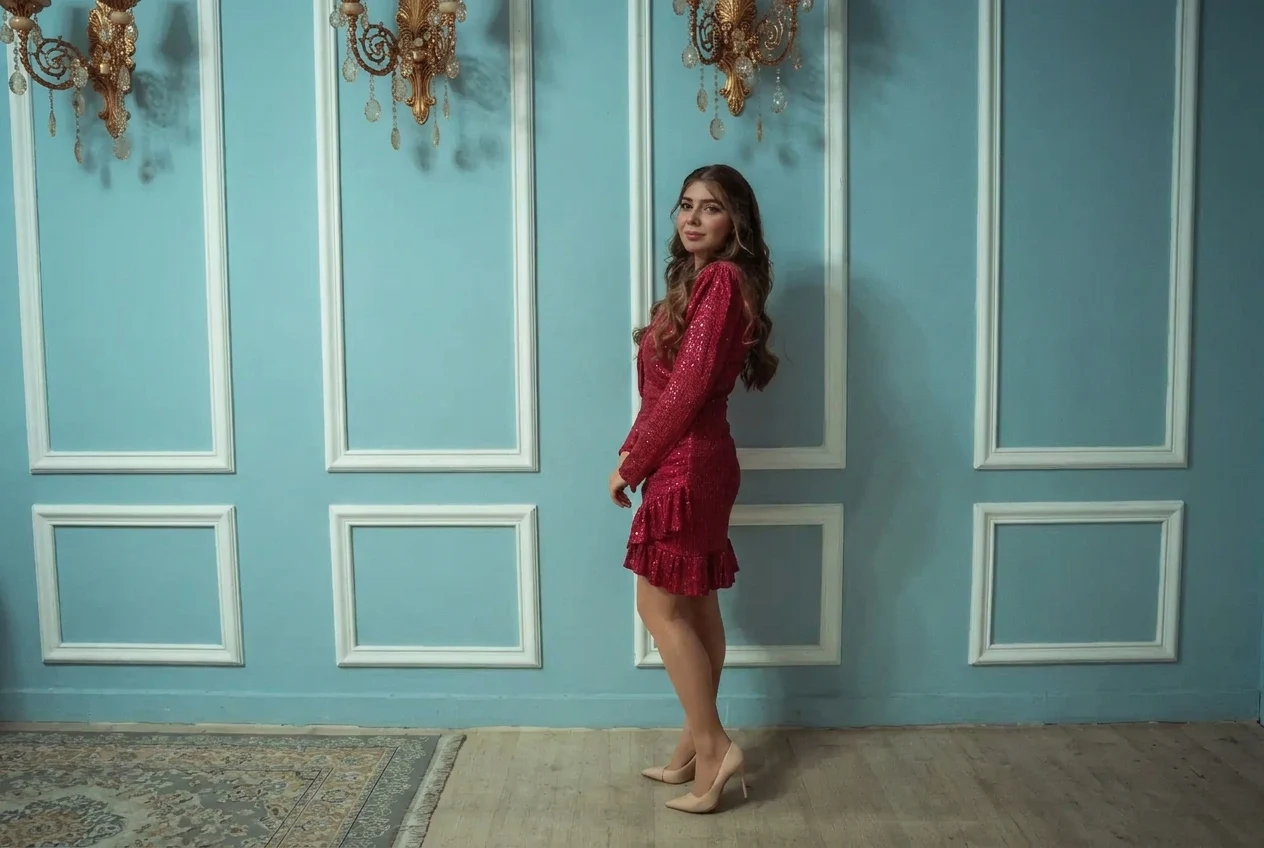
Festive attire usually means cocktail-style dressing with a celebratory touch. Think of a dressy dress, a polished jumpsuit, or tailored separates, with a little color, shine, or interesting texture. You don’t need sequins or an entirely new outfit to get it right.
The Emily Post Institute describes festive attire as essentially cocktail party clothing with a seasonal touch, often requested for holiday or New Year’s celebrations. But not every event uses the term in exactly the same way. The invitation, venue, and any instructions from the host should guide your choice.
Here’s how to interpret the dress code and put together an appropriate outfit using clothes you may already own.
What Does Festive Attire Mean on an Invitation?
When an invitation says festive attire, the host generally wants guests to dress up while adding something celebratory to their appearance.
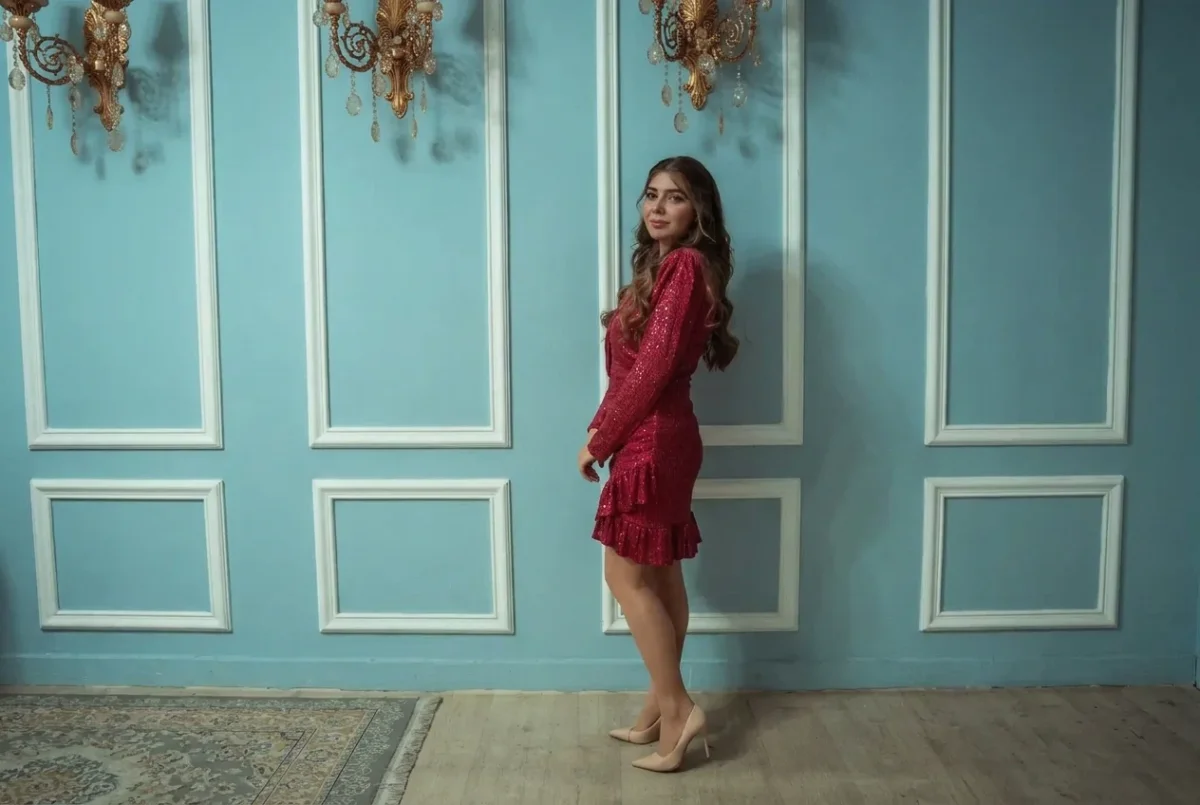
That might mean a cocktail dress in a rich color, a black jumpsuit with metallic earrings, or dressy trousers with a velvet top. The festive detail can be subtle.
The MasterClass guide to festive attire also explains that the term can allow creative flair outside traditional holiday celebrations. A festive invitation isn’t necessarily asking for Christmas colors, novelty clothing, or an elaborate party outfit.
Think about the occasion before deciding what to wear. A hotel reception, office gathering, and evening wedding can all call for slightly different interpretations.
If the invitation includes additional wording, such as festive cocktail or festive casual, that wording matters too.
What Should Women Wear for Festive Attire?
You have several options beyond buying a new party dress.
Dresses. A dressy knee-length or midi dress is a useful starting point. A little black dress can work particularly well when paired with polished shoes and a celebratory accessory. Velvet, satin, and other textured fabrics can add interest, but they’re not required.
Trousers and jumpsuits. Tailored trousers with a dressy blouse offer an alternative to a dress. A well-cut jumpsuit in a polished fabric can also suit an evening celebration. Pay attention to the material and fit: a casual cotton jumpsuit won’t automatically become cocktail-appropriate because you’ve added jewelry.
Skirts and separates. A midi skirt with a satin blouse or a longer dressy skirt with a refined top can meet the same level of formality. The pieces don’t need to match, but they should look considered together.
Shoes. Heels are an option, not a requirement. Dressy flats, refined ankle boots, or other polished footwear can work depending on the occasion. Choose something appropriate for the venue and comfortable enough for the event.
Jeans and sneakers. These aren’t a safe default when an invitation simply says festive attire. Unless the host specifies a relaxed dress code, choose dressier clothing.
How to Make Clothes You Already Own Look Festive
The easiest approach is to begin with a dressy garment you already have, then introduce one celebratory detail.
A little black dress, for instance, can look different with metallic earrings and a dressy clutch. A pair of tailored trousers may work with the satin blouse you usually reserve for dinners.
The underlying clothes still need to suit the occasion. Accessories can make a polished outfit more festive, but they won’t necessarily turn very casual clothes into cocktail attire.
| What you already own | What to change | Where it may work |
|---|---|---|
| Little black dress | Add metallic earrings, a dressy wrap, or a jewel-tone accessory | Holiday parties, cocktail receptions, and some festive weddings |
| Tailored black trousers | Pair with a satin or velvet blouse and polished shoes | Office celebrations, dinners, and dressy gatherings |
| Simple jumpsuit | Add a structured jacket, metallic jewelry, or a refined bag | Evening receptions and dressy events, provided the fabric is dressy |
| Midi skirt | Wear with a polished blouse, suitable tights, and dressy footwear | Daytime celebrations, workplace parties, and some evening events |
Consider the fabric, fit, and condition of your clothes before adding accessories. A garment that already looks polished will usually be easier to adapt than something intended for everyday lounging.
Festive vs. Cocktail vs. Semi-Formal Attire
These terms overlap, which is why invitations can be confusing.
Festive attire is often interpreted as cocktail dressing with an added celebratory element. Cocktail attire generally focuses on polished party clothing, while semi-formal expectations can vary by occasion.
| Dress code | General expectation | Example |
|---|---|---|
| Festive attire | Dressy party clothing with a celebratory detail | Black cocktail dress with metallic accessories |
| Cocktail attire | Polished clothing appropriate for a cocktail reception | Dressy midi dress or tailored jumpsuit |
| Semi-formal attire | Dressy clothing, with formality depending on the event | Cocktail dress or polished separates |
| Festive cocktail | Cocktail attire with additional celebratory styling | Velvet dress with refined jewelry |
| Festive casual | A more relaxed festive look; expectations depend on the host | Dressy blouse with tailored trousers |
The last two aren’t universal standardized dress codes. In particular, festive casual doesn’t automatically mean jeans or sneakers are acceptable.
The distinction between cocktail attire and semi-formal attire isn’t always clear-cut, either. A cocktail dress may be appropriate for both, and the venue, timing, and overall styling often matter more than a strict definition.
If the invitation remains unclear, it’s reasonable to ask the host what level of formality they expect.
What to Wear for Different Festive Events
Holiday Parties
A holiday party is an opportunity to introduce a richer color or texture without dressing in a holiday theme.
A velvet top with tailored trousers, a burgundy midi dress, or a black jumpsuit with metallic jewelry are all possible choices.
You can use one festive detail instead of combining sequins, holiday colors, and statement accessories in the same outfit.
Office Holiday Parties
For a workplace celebration, consider the venue and your office’s usual dress expectations.
A polished blouse with tailored trousers or a dressy midi dress with refined accessories can create a festive look without feeling out of place among colleagues.
If the event takes place during working hours, the outfit may need to be more restrained than one chosen for an evening celebration at a hotel.
Festive Weddings
For a wedding with a festive dress code, start with the couple’s instructions and the formality of the venue.
For example, a dressy black midi dress with polished heels or flats, a refined clutch, and metallic earrings can work for many festive evening weddings. The celebratory detail might come from the jewelry rather than the dress itself.
That doesn’t make every black dress appropriate. A casual jersey dress may be too relaxed, while an elaborate gown could be more formal than the couple intends.
Consider the ceremony time, venue, and any cultural or religious expectations. If you’re uncertain, ask the couple or someone involved in the wedding.
Non-Holiday Celebrations
Festive attire can also appear on invitations for receptions, milestone celebrations, or parties that have nothing to do with Christmas or New Year’s.
In those situations, interpret festive as an invitation to dress up with some personality. A colorful cocktail dress, dressy separates, or a polished jumpsuit can work without holiday-themed clothing.
What to Avoid When Dressing for Festive Attire
There aren’t many universal prohibitions, but a few choices deserve consideration.
- Novelty holiday clothing: Save themed sweaters or costumes for events that specifically request them.
- Very casual basics: Everyday jeans, sneakers, or loungewear may be too relaxed for a cocktail-style invitation.
- Overly formal gowns: A floor-length evening gown may feel out of place at a relatively casual celebration, although some dressier events welcome long dresses.
- Ignoring the setting: A workplace party and a late-night private celebration may call for different choices.
- Uncomfortable footwear: Consider how long you’ll stand, walk, or dance rather than choosing shoes only for their appearance.
The goal isn’t to avoid everything unusual. It’s to choose a polished outfit that fits the occasion while allowing a little celebratory expression.
Where to Start
Choose the dressiest suitable outfit you already own, whether that’s a little black dress, tailored trousers, a jumpsuit, or polished separates.
Add one festive detail, then check the invitation and venue before making your final choice.
You don’t need an entirely new wardrobe or a specific holiday color to dress appropriately. And when the wording is ambiguous, a quick question to the host is more useful than guessing.