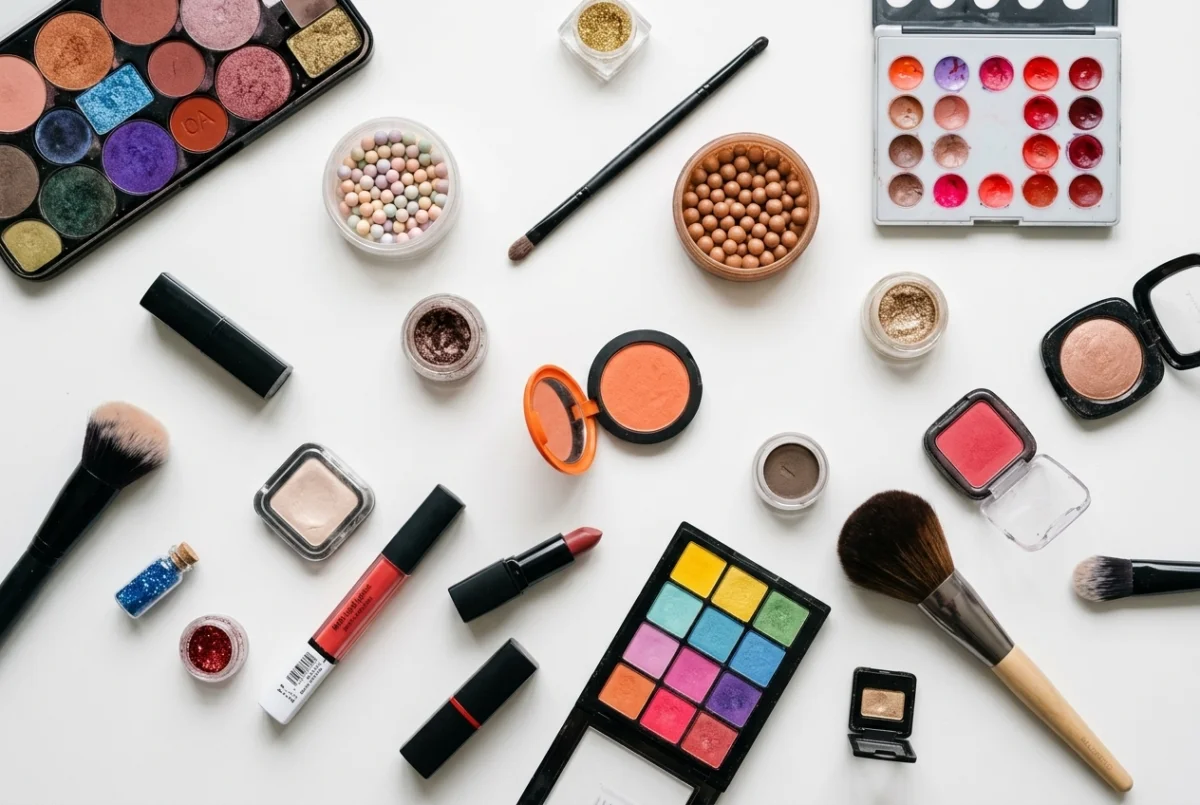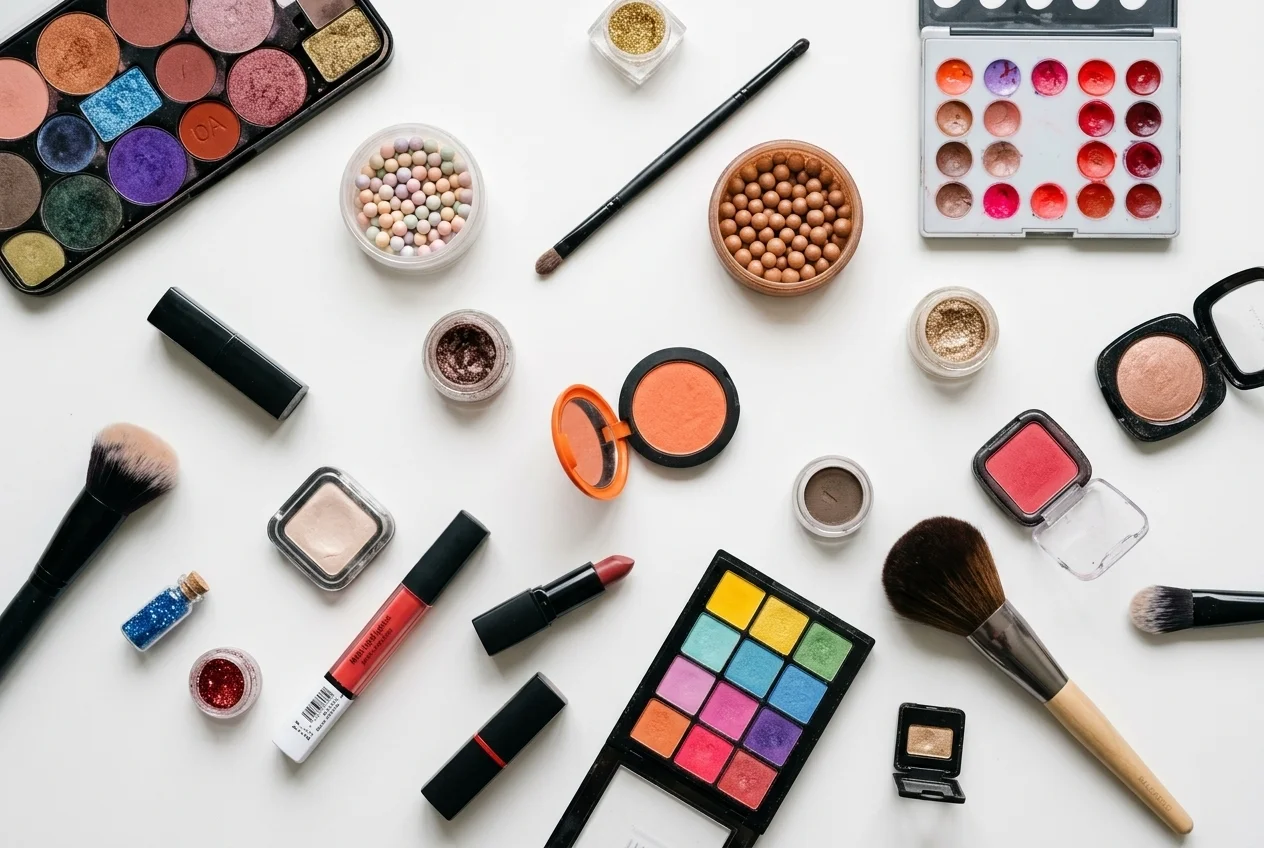
Yes, makeup can expire, though in the US the law generally doesn’t require ordinary cosmetics to carry an expiration date. How long a product lasts depends on its formula, how long it’s been open and how it’s been stored. Liquids and products used around the eyes often need replacing sooner than dry powders.
What Do Makeup Expiration Dates Mean?
An expiration date, an open-jar symbol and a product with no date each call for a slightly different approach.
- An open-jar symbol with a number, such as 6M, 12M or 24M, shows how many months a product is meant to be used after you open it. The American Academy of Dermatology explains that this Period After Opening (PAO) symbol isn’t required on US cosmetics. It’s product-specific guidance, not a guarantee that the product will remain safe until the final day.
- A printed expiration date gives you a manufacturer-provided date to check. The FDA explains that ordinary cosmetics generally aren’t required to carry expiration dates under US law, although manufacturers remain responsible for product safety.
- No date at all is common. In that case, consider the product type, when you opened it, how it has been stored and any signs of deterioration. A product that looks normal isn’t necessarily safe to keep indefinitely.
PAO labeling also has a different regulatory background outside the US. Under European cosmetics rules, products with a minimum durability longer than 30 months generally carry a PAO indication when relevant, while products with shorter durability generally carry a minimum-durability date. Those European requirements shouldn’t be confused with US labeling rules.
Unopened makeup is a separate question. A dermatologist quoted by Cleveland Clinic says well-formulated, unopened makeup may remain stable for years at room temperature. But there’s no single unopened shelf life that applies to every formula. Storage conditions and the manufacturer’s instructions still matter.
One simple habit can make the decision easier later: write the opening month and year on the product or keep a note of it.
How Long Does Makeup Last?
Cleveland Clinic dermatologist Dr. Shilpi Khetarpal offers a set of general replacement guidelines. Moisture is one reason liquid and cream products often have shorter recommended lifespans than powders.
The following estimates are Cleveland Clinic’s guidance, not FDA-mandated expiration periods.
| Makeup product | Suggested replacement period |
| Liquid foundation or concealer | About 6 months |
| Cream blush | About 6 months |
| Powder foundation, concealer or blush | 1–2 years |
| Liquid eyeshadow | 6–12 months |
| Powder eyeshadow | 1–2 years |
| Liquid eyeliner | About 6 months |
| Pencil eyeliner | 1–2 years |
| Lipstick, lip gloss or lip balm | About 6 months |
Other sources and manufacturers may recommend different intervals. These figures are a reference point, not a promise that every product will remain safe for that long.
If a product has its own expiration date or PAO guidance, take that into account. And if it develops a suspicious smell, texture or appearance before the suggested time, don’t wait for the calendar.
What About Mascara and Other Eye Makeup?
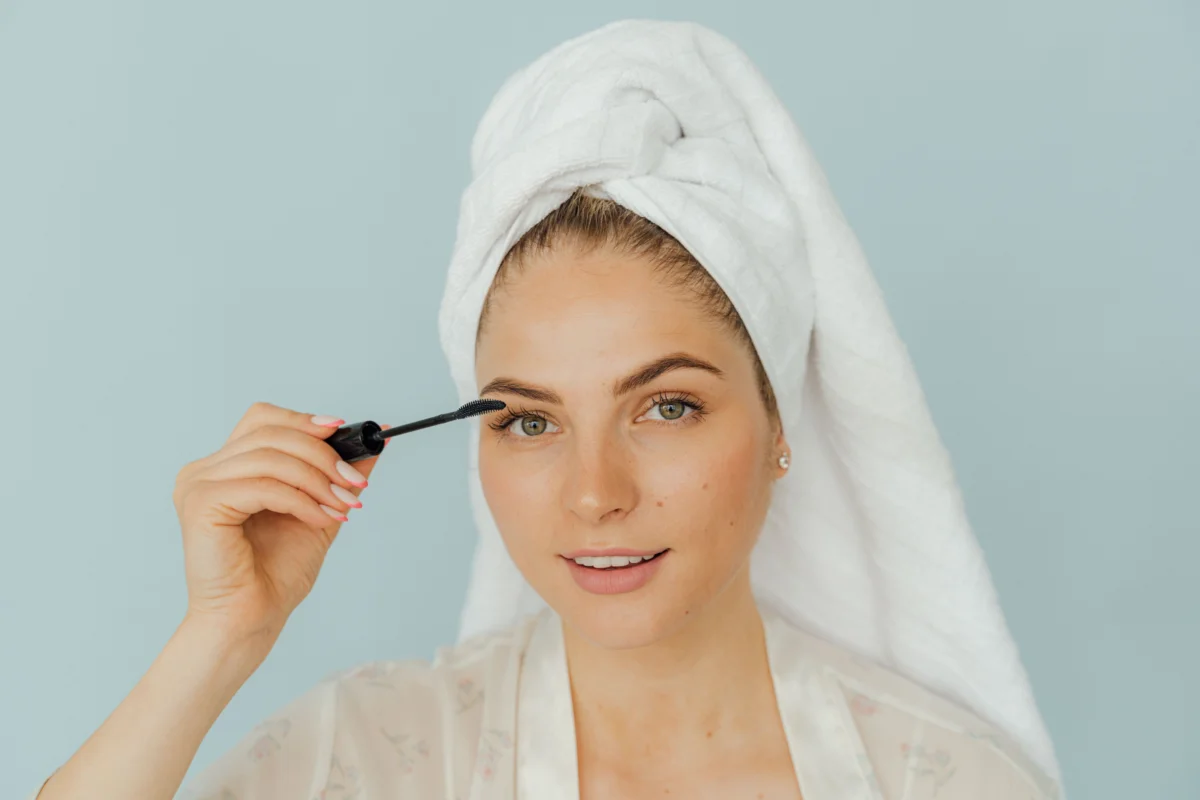
Mascara is where recommendations differ noticeably. The FDA advises consumers to discard mascara three months after purchase, while Cleveland Clinic’s dermatologist suggests six months.
The FDA’s shorter recommendation is the more cautious choice, particularly for a product applied so close to the eyes. The difference also matters if you bought mascara well before opening it: mascara’s usable lifespan isn’t described from the same starting point by every source.
Dried mascara should be discarded rather than revived. The FDA warns against adding water or saliva, which can introduce microorganisms.
How to Tell if Makeup Has Expired
A date helps, but changes in the product can tell you when it’s time to replace something sooner.
Cleveland Clinic and the AAD identify several warning signs:
- A sour, unusual or unpleasant smell.
- Clumping, crumbling or a significant change in texture.
- A foundation or cream separating or becoming unusually runny.
- A noticeable color change, such as foundation turning darker or orange.
- Makeup that no longer performs as expected, such as eyeliner becoming gritty or blush refusing to blend.
- Unexpected irritation after using a product.
Not every change means the same thing. A foundation that has oxidized may look different or perform poorly, while microbial contamination is another concern altogether.
And you can’t always see contamination. Makeup that still looks and smells normal isn’t automatically suitable for continued use, especially when its age or handling history is uncertain.
How to Store Makeup Properly
Heat can shorten makeup’s usable life. The FDA warns that high temperatures can contribute to the breakdown of preservatives, while moisture and repeated handling can make contamination more likely.
A clean, dry drawer away from direct sunlight is generally a better storage spot than a hot car or a steamy bathroom shelf.
Packaging makes a difference, too. Pump bottles can reduce repeated contact with the product compared with containers that require dipping in your fingers. That doesn’t make a pump bottle immune to deterioration, but it’s one practical way to limit handling.
Keep lids closed, wash your hands before applying makeup and avoid sharing products.
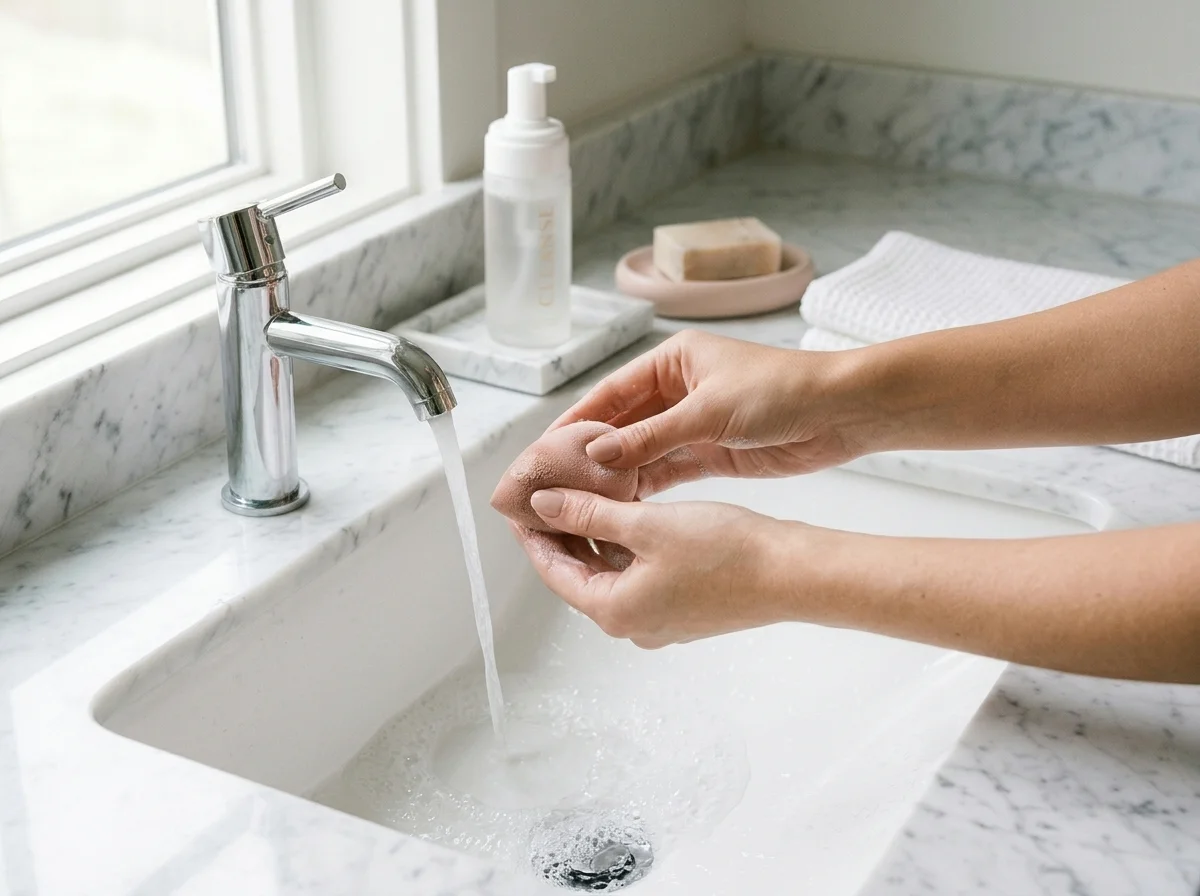
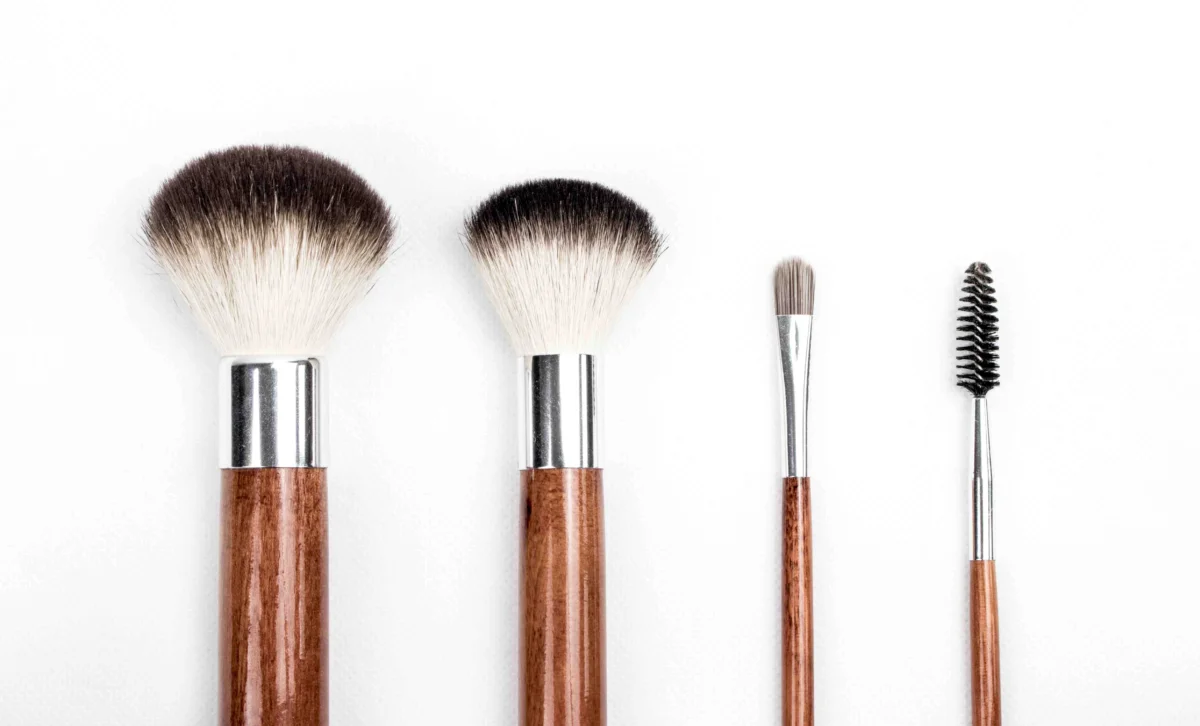
Applicators matter as well. The AAD recommends cleaning reusable makeup sponges after every use, while makeup brushes generally need washing every 7 to 10 days.
When an Infection Means Throwing Makeup Away
An infection changes the usual keep-or-toss decision.
If you develop an eye infection, the FDA advises stopping eye makeup until the area has healed and discarding the eye cosmetics you were using when the infection occurred.
Cleveland Clinic similarly recommends replacing lip products used around the time of a cold sore rather than continuing to use potentially contaminated products.
If an eye cosmetic causes irritation, stop using it. The FDA recommends seeking medical advice if the irritation persists.
Does Makeup With SPF Expire?
Makeup with sun-protection claims is different from ordinary makeup. In the US, these products may be regulated as both cosmetics and drugs, which means additional requirements apply.
The FDA explains that nonprescription sunscreen products generally require expiration dating unless stability testing supports an exemption. An undated sunscreen is not necessarily mislabeled simply because no expiration date appears.
If makeup with SPF has passed its printed expiration date, don’t rely on it for sun protection. The FDA also advises treating sunscreen without an expiration date as expired three years after purchase, or discarding it if its age is unknown. That general sunscreen guidance shouldn’t be used to extend the life of makeup beyond its own labeling or manufacturer instructions.
A useful rule is to check the product’s date or open-jar symbol first, then consider how long you’ve had it and how it has been stored. Replace products showing signs of deterioration, and be especially cautious with eye makeup or anything that may have been contaminated during an infection.