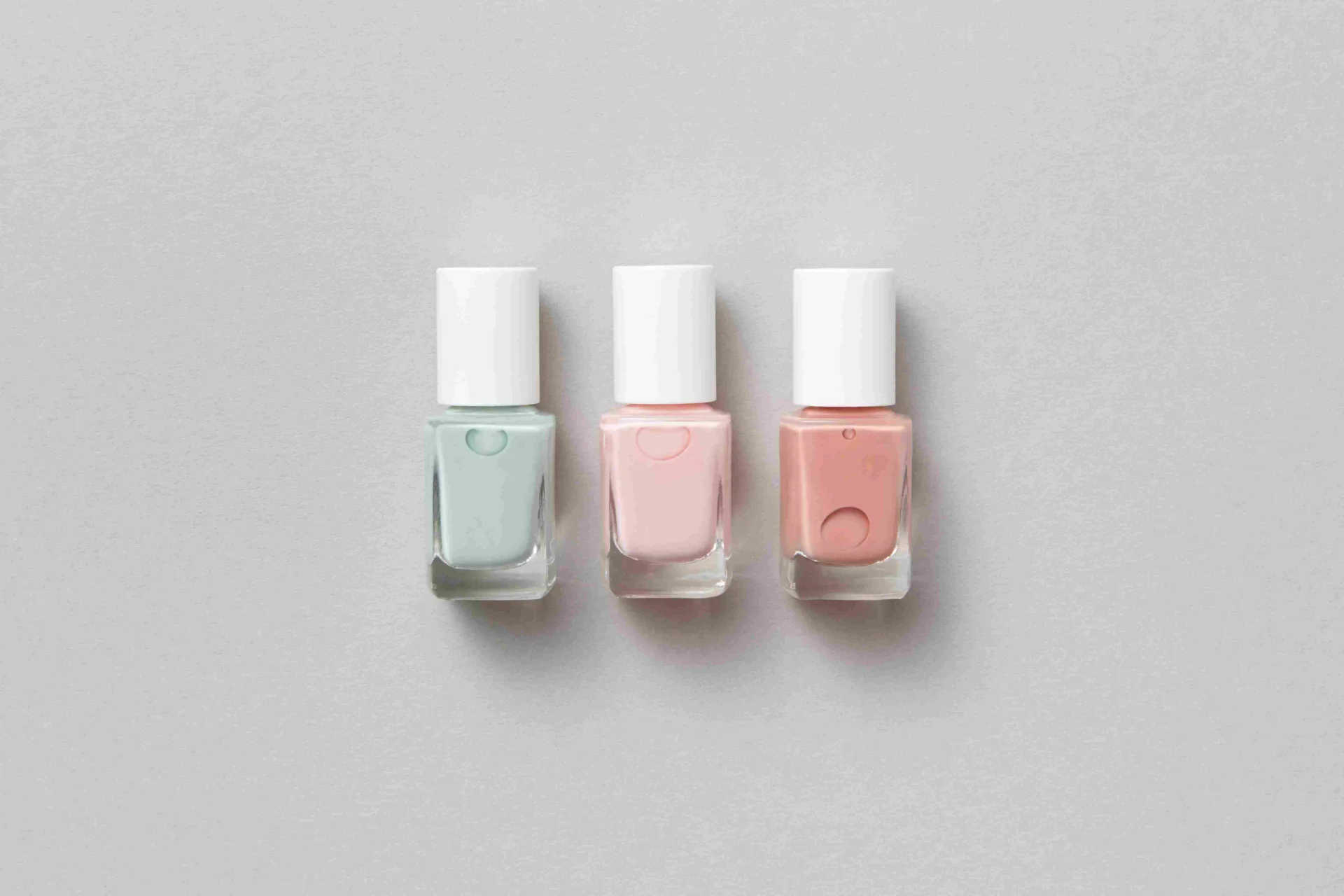
Open a bathroom drawer and you’ll probably find a few half-used bottles: one that has separated into layers, one that has gone thick, and one that looks perfectly fine but was bought a few years ago. So does nail polish expire? Not in the way milk does. In the US, there’s no required expiration date for nail polish, and many bottles don’t have one. But polish does change over time, so the better question is whether this bottle still works, and that’s something you can judge from how it looks and applies.
Does Nail Polish Have an Expiration Date?
Usually not a legal one. The FDA says no US law requires cosmetics to carry specific shelf lives or expiration dates, and it puts the responsibility for a product’s safety on the manufacturer. Nail products fall under that framework too: the FDA generally regulates them as cosmetics, which is why you may not see a date on a polish bottle. The same is true of makeup in general, where brand guidance and the condition of the product are useful considerations alongside any dates provided.
A few things can still tell you how a brand thinks about its own product. Some bottles carry a period-after-opening symbol, an open jar with a number of months. Some brands publish guidance on their websites. If yours does either, check that guidance for the particular product.
Beyond that, published shelf-life estimates vary. Different brands and nail-care guides give different timeframes, and those estimates may refer to unopened bottles, opened bottles, or products stored under particular conditions. None should be treated as a universal expiration rule. The FDA explains that cosmetics can change with temperature, light, air exposure, and handling, so a bottle kept in a cool drawer and one left on a sunny windowsill may age differently.
That’s why a single number doesn’t help much. An unopened bottle may retain its original condition longer than one that has been opened repeatedly, but there is no reliable shortcut for every formula. How the polish behaves can help you assess its condition, while the manufacturer’s guidance remains important.
How to Tell if Nail Polish Has Gone Bad
Start with how the bottle looks, then how it moves, then how it goes on. No visual check can prove a bottle is safe, so treat this table as a way to assess its condition and performance, not as a safety test.
| What you notice | What it might mean | What to do |
| Pigment has settled, or the color looks separated | Ordinary settling, especially in a bottle that hasn’t been used in a while | Follow the brand’s mixing instructions. If the polish blends evenly again, separation alone may not mean the bottle needs replacing. Consider the manufacturer’s guidance and how the product performs. |
| Slightly thicker polish that drags on the nail | Some solvent may have evaporated | A compatible nail lacquer thinner may help. If the polish continues to apply unevenly, replacing it may be more practical. |
| Stringy, clumpy, or gummy texture | The formula may have deteriorated or thickened considerably | Replace it rather than repeatedly trying to restore it. |
| Color looks different from when you bought it, or it smells noticeably unusual | The product may have changed during storage or use | Replace it. Appearance and odor cannot establish exactly what changed. |
| Takes a long time to dry, stays tacky, or peels quickly | This could reflect the polish’s condition, application thickness, or other factors | Check the application instructions. If problems persist despite correct application, replace the bottle. |
| Looks and smells normal but is several years old | Normal appearance doesn’t establish its age-related condition or safety | Check the manufacturer’s shelf-life guidance if available. Normal appearance and application do not prove that an older product is safe. |
If you experience irritation or another unexpected reaction, stop using the product. The FDA advises consumers to contact a healthcare professional about reactions and report problems with cosmetics.
Can You Fix Thick Nail Polish?
Sometimes, with the right product. A lacquer thinner is designed to help with thickened polish, and it isn’t the same thing as nail polish remover.
Nail polish remover is intended to take polish off the nail. A dedicated lacquer thinner is formulated for adjusting the consistency of compatible polish. The ingredients and intended uses differ, so using remover as a substitute may affect how the lacquer applies or performs.
For example, Mavala’s nail polish thinner comes with product-specific directions and cautions against using nail polish remover, acetone, or water in its place.
If you decide to use a thinner, check that it is compatible with your polish and follow its manufacturer’s instructions. Different products may recommend different amounts and handling methods, so there is no universal number of drops to add.
Two cautions matter. Thinner won’t necessarily correct a color change, unusual odor, or every performance problem. And because some nail products are flammable, the FDA advises using them with appropriate ventilation and keeping them away from flames and heat sources.
If a bottle doesn’t improve with a compatible thinner, replace it instead of experimenting with household solvents.
How to Store Nail Polish
A few habits may help a bottle maintain its condition. Keep the cap securely closed and avoid letting dried polish build up around the neck where it could interfere with the seal.
Store bottles somewhere cool and away from direct sunlight, excessive heat, and major temperature changes. A drawer or cabinet away from heat sources is usually more practical than a sunny windowsill or hot car.
Check the label for storage directions specific to the brand. Refrigeration isn’t necessary as a general recommendation.
What About Gel Polish and Nail Polish Remover?
This guide is about regular nail lacquer. Gel polish is a different product that cures under a UV or LED lamp, and it has its own application requirements and manufacturer guidance.
If a gel product changes in texture, behaves unexpectedly, or doesn’t cure as its instructions describe, stop using it and consult the manufacturer or a qualified nail professional rather than trying to fix it with conventional lacquer thinner.
Nail polish remover is also a separate product. For this article, the important point is that remover isn’t a substitute for nail lacquer thinner.
How to Dispose of Old Nail Polish
Don’t pour unwanted nail polish down the sink, toilet, or drain.
The EPA’s household hazardous waste guidance explains that certain leftover household products containing flammable or potentially hazardous ingredients require special care during disposal. Nail polish is accepted by some local household hazardous waste programs, but rules vary by community.
Check your city or county waste-management website to see whether it accepts nail polish at a permanent collection site or periodic drop-off event. If you’re unsure, contact the local waste authority before putting the bottle in household trash or recycling.
Keep the polish in its original labeled bottle and don’t mix it with other leftover products. Follow the instructions provided by your local collection program.
The Bottom Line
Nail polish doesn’t have a universal expiration date. A bottle that mixes and applies normally may still perform well, but its appearance cannot confirm its safety or remaining shelf life.
Persistent changes in texture, color, odor, or application are good reasons to replace it. Check the manufacturer’s guidance when available, and follow local waste-disposal rules when it’s time to let a bottle go.