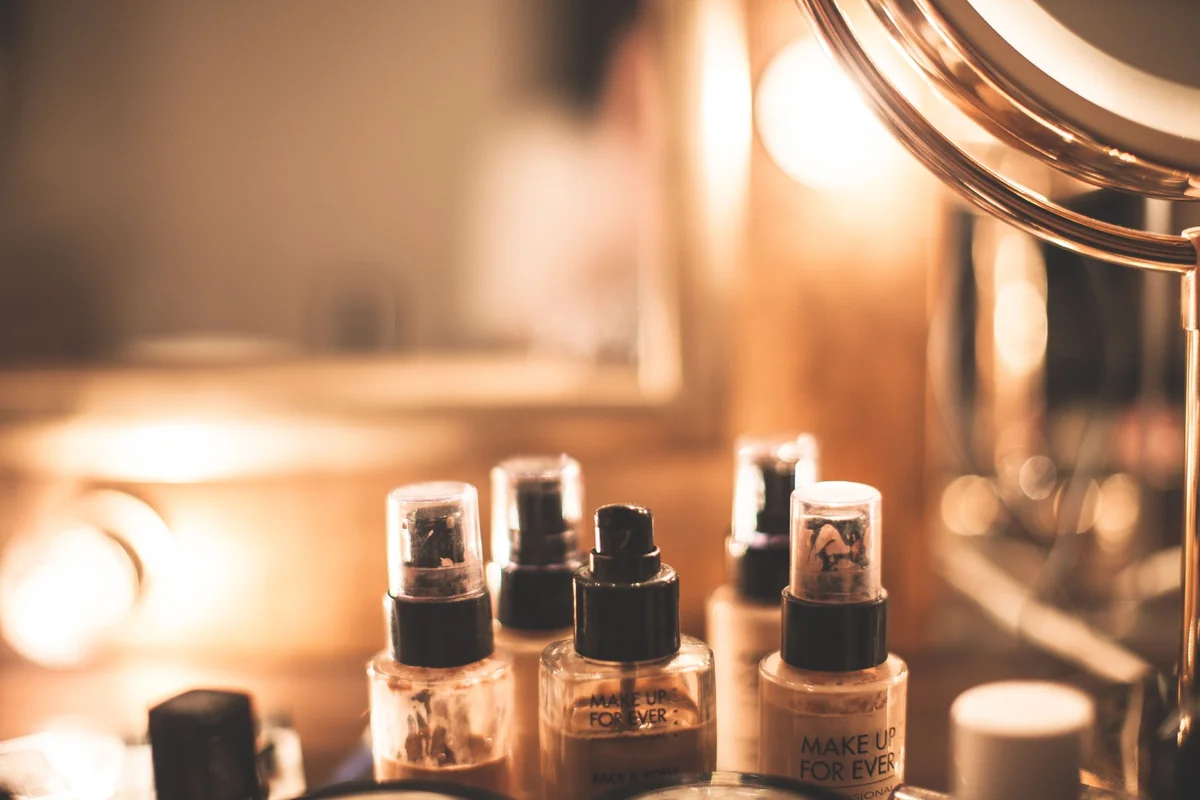
Yes, foundation can deteriorate, but no single expiration date applies to every bottle. The FDA says U.S. law generally doesn’t require ordinary cosmetics to carry expiration dates, and manufacturers are responsible for determining their products’ shelf lives. Published guidance for liquid foundation ranges from about six months to 18 months, depending on the source and formula. To assess your own foundation, start with its packaging and manufacturer guidance, then consider how long you’ve had it, how you’ve stored it, and whether its condition has changed.
How Long Does Foundation Last?
Published replacement recommendations vary considerably.
Cleveland Clinic dermatologist Shilpi Khetarpal, MD, recommends replacing liquid foundation after about six months and powder foundation after one to two years. The same guidance recommends approximately six months for makeup containing SPF.
Cosmetics manufacturers publish different estimates. Revlon’s general makeup guide lists liquid foundation at 12 months, while L’Oréal Paris recommends approximately 12 months for liquid foundation and one to two years for powder foundation.
Mayo Clinic Health System offers more formula-specific estimates: approximately one year for water-based foundation, 18 months for oil-based foundation, six to twelve months for cream-based foundation, and up to two years for powder products kept free of moisture.
These figures aren’t interchangeable. Cleveland Clinic provides a conservative dermatologist’s recommendation, while cosmetics brands offer general guidance for their products. They are not results from a single controlled comparison establishing when every foundation becomes unsafe.
The starting point matters, too. L’Oréal explains that a period-after-opening (PAO) symbol counts from when a product is opened. Cleveland Clinic and Revlon don’t explicitly state a starting point beside their foundation figures. Mayo Clinic Health System’s foundation estimates also lack individual starting points, although the article separately discusses makeup lifespans from manufacture. That general guidance shouldn’t automatically be applied to every foundation estimate.
For your particular bottle, the manufacturer’s product-specific instructions matter more than choosing one number from this list.
Do Liquid, Powder, and Cream Foundations Age Differently?
Foundation formulas differ in their ingredients, moisture content, and packaging. Those differences can affect how a product changes over time.
Cleveland Clinic explains that dry makeup generally lasts longer than wet products because moisture can support microbial growth. Mayo Clinic Health System also qualifies its powder recommendation: the product must be kept free of moisture.
That doesn’t make powder foundation immune to contamination. Brushes, fingers, and storage conditions still matter.
For cream foundation, Mayo Clinic Health System offers an estimate of six to twelve months. The sources reviewed for this article do not establish a reliable foundation-specific lifespan for stick formulas. If you use stick foundation, check the product’s packaging and manufacturer guidance rather than assuming that every stick lasts as long as a powder.
Packaging affects handling as well. Cleveland Clinic notes that dispensing foundation through a pump limits repeated contact with the product compared with touching makeup and then returning fingers or applicators to its container. A pump doesn’t eliminate every risk, but handling is one factor worth considering.
What to Check on the Packaging
Before relying on a general replacement estimate, examine the bottle or its original box.
Printed expiration date. Some foundations have an expiration date, even though ordinary cosmetics aren’t generally required to display one in the United States. If a date is provided, follow the applicable manufacturer instructions.
Period-after-opening (PAO) symbol. An open-jar icon marked 12M, for example, indicates a recommended period of 12 months after opening. The American Academy of Dermatology notes that this symbol isn’t mandatory on U.S. cosmetics. Our guide to makeup expiration explains how these labels apply across different cosmetic products.
SPF labeling. If the foundation makes a sun-protection claim, check its expiration information and any Drug Facts labeling. SPF products have additional regulatory considerations, discussed below.
A batch code isn’t necessarily an expiration date. Services such as CheckFresh attempt to identify production dates for supported brands, but a decoded manufacturing date doesn’t establish how long your particular foundation remains safe to use.
Foundation With SPF: Check the Label First
Foundation marketed with an SPF claim has a different regulatory status from ordinary makeup.
The FDA explains that makeup intended to provide sun protection is regulated as both a cosmetic and a drug. Its cosmetic shelf-life guidance also explains that drug products are subject to stability and expiration-dating requirements.
For an SPF foundation, follow the printed expiration date and the product’s specific instructions. If it is past its expiration date, don’t rely on it for the labeled sun protection.
L’Oréal Paris advises checking the PAO period for foundations containing SPF because the stated protection may not be maintained beyond the recommended period. Cleveland Clinic’s six-month replacement recommendation for SPF makeup is conservative consumer advice, not a replacement for a product-specific expiration date.
The FDA’s sunscreen guidance says that sunscreen without an expiration date should be considered expired three years after purchase. That statement specifically addresses sunscreen products. It shouldn’t automatically be applied as a universal rule for every SPF foundation. If the packaging is unclear, contact the manufacturer.
Signs Your Foundation May Have Gone Bad
The FDA recommends discarding cosmetics when their color or smell changes. The American Academy of Dermatology also identifies unusual separation, altered texture, unpleasant odor, and changes in how makeup feels as potential warning signs.
Watch for these changes:
- Smell: A sour, unpleasant, or noticeably different odor is a reason to stop using the foundation. Smell alone cannot establish the cause.
- Texture: Unusual clumping, grittiness, thickening, drying, or a watery consistency may indicate that the formula has changed.
- Separation: Layers that appear unexpectedly or seem abnormal for the product are concerning. Follow any manufacturer instructions about shaking, but don’t assume that remixing proves a product is safe.
- Color: A noticeable change in the foundation’s color inside its container may indicate deterioration.
- Application: If foundation suddenly blends or wears differently, that may be another clue worth investigating. Poor performance by itself doesn’t establish expiration.
- Skin reaction: New irritation or an unexpected increase in breakouts can have several causes, including a possible product problem. Stop using a foundation that causes a reaction and seek medical advice when appropriate.
These observations help identify possible deterioration, but they cannot tell you whether harmful microorganisms are present.
A foundation that looks and smells normal isn’t necessarily safe. The AAD explains that bacteria and mold may build up in makeup without being visible. Equally, an unusual texture or smell doesn’t prove a specific type of contamination.
Why Does Foundation Turn Orange or Darker?
There is an important difference between foundation changing color inside its bottle and appearing darker after application.
If the color changes inside the bottle, gradual darkening, fading, or an orange shift may be associated with product deterioration. Cleveland Clinic identifies these changes as possible signs that makeup has aged. If the shade is noticeably different from when you purchased it, replacing the product is a reasonable precaution.
If foundation darkens on your skin within hours, the explanation may be different. Paula’s Choice attributes some on-skin color changes to interactions between skin oils and foundation pigments, while describing changes inside the container as a slower process.
That is the brand’s explanation, not a universal diagnostic test. A foundation changing shade on your face doesn’t automatically mean the bottle has expired.
Neither type of color change, by itself, establishes microbial contamination.
What If You Don’t Know When You Opened Your Foundation?
Forgetting an opening date doesn’t prove a foundation has spoiled. However, it removes an important piece of information when deciding whether to keep using it.
The AAD recommends checking for deterioration signs when you cannot remember when a cosmetic product was opened. You should also consider its storage and handling history.
Start by checking the packaging for an expiration date, PAO symbol, or manufacturer instructions. If you still have a purchase confirmation, it may help establish how long you’ve owned the product, although purchase date and opening date aren’t necessarily the same.
Think about where the foundation has been stored. The FDA warns that heat, sunlight, air exposure, and contamination can affect cosmetics over time. A bottle kept in a hot car or exposed to temperature extremes deserves particular caution.
Finally, consider how the product was handled and whether you can reasonably establish its age. If the opening date or storage history remains uncertain, the safer choice is to replace the foundation rather than rely on its appearance as reassurance.
The following table summarizes the most practical decisions.
Foundation Expiration: What to Do in Common Situations
| Your situation | What to check | Sensible next step |
|---|---|---|
| You don’t know when you opened it | Packaging, purchase history, storage, handling, and signs of deterioration | If you cannot establish its age or suitable storage history, replacing it is the more cautious choice. Normal appearance doesn’t prove safety. |
| An unopened bottle has been stored for years | Printed date, storage conditions, manufacturer guidance | Cleveland Clinic says well-formulated unopened makeup can remain stable for years, while Revlon gives a general estimate of two to three years for many unopened products. Neither establishes a universal deadline for foundation. Check with the manufacturer if uncertain. |
| The foundation has separated unusually | Manufacturer instructions and whether the condition differs from normal | Stop using a product showing unexplained deterioration. Shaking or remixing doesn’t establish safety. |
| The color has changed in the container | Whether the shade differs from when purchased | Consider replacing it. The color change is a warning sign, not proof of contamination. |
| It darkens only after application | Whether the product itself has changed in its container | The on-skin change may have another explanation and doesn’t automatically establish expiration. |
| It contains SPF | Expiration date, SPF/Drug Facts labeling, and manufacturer instructions | Follow the product’s expiration guidance. Don’t rely on expired foundation for its labeled sun protection. |
How to Help Foundation Last as Intended
Good storage and handling cannot guarantee a particular lifespan, but they can reduce unnecessary exposure to conditions that contribute to deterioration.
Keep foundation closed when not in use and store it away from excessive heat, moisture, and direct sunlight. Avoid adding water or other ingredients to change the texture of an aging product.
Keep applicators clean, too. The American Academy of Dermatology recommends cleaning makeup sponges after every use and brushes approximately every seven to ten days.
When applying foundation, avoid repeatedly transferring product between your skin and its container with unclean fingers or applicators.
If a foundation develops suspicious changes, replacing it is more sensible than trying to restore its original appearance.
The Short Version
Foundation can expire or deteriorate, but there isn’t one reliable timeline for every formula. Published replacement guidance varies, and the numbers should be understood in their original context.
Check your foundation’s label and manufacturer instructions first. Then consider its age, storage, handling, and any changes in smell, texture, color, or performance.
If its condition has changed unexpectedly, or you cannot establish enough about its history to make a confident decision, replacing it is the more cautious option.