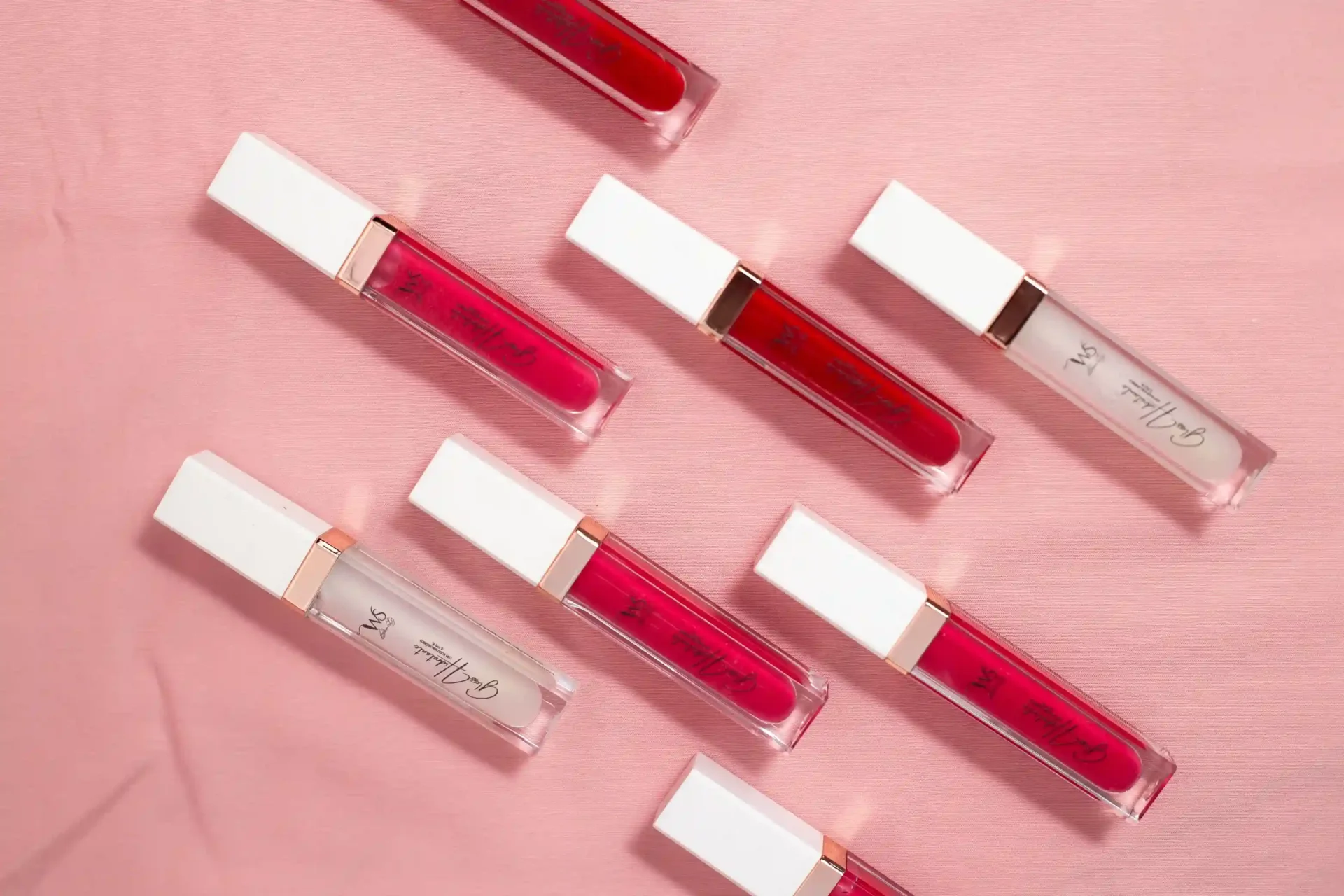
Yes, lip gloss can go bad, but no single expiration date applies to every tube. Cleveland Clinic recommends replacing lip gloss about every six months, while some beauty brands suggest longer periods. Gloss is applied directly to your lips, often with a wand that goes back into the tube, so contamination is another reason to be careful. Check your product’s packaging first, watch for changes in smell or texture, and consider replacing it if you can’t remember when you opened it, especially if you’ve had it for a long time.
A quick clarification: shelf life is how long a gloss stays usable in the tube. How long it stays on your lips, usually a few hours, is wear time, and it’s a separate question.
How Long Does Lip Gloss Last? Why the Numbers Differ
In the U.S., there’s no universal expiration period for ordinary cosmetic lip gloss. The FDA says cosmetics aren’t legally required to carry expiration dates, and manufacturers are responsible for determining how long their products remain safe and stable.
That’s why advice varies:
- Cleveland Clinic: A dermatologist there recommends replacing lipstick, lip gloss and lip balm about every six months, partly because lips carry bacteria.
- Maybelline: The brand’s rule of thumb is roughly six months to a year for lip gloss and liquid lipstick, with drier formulas generally lasting longer. It also warns that humid storage can affect products.
- A cosmetic chemist: One interviewed by Vogue Singapore puts gloss at about a year, with shorter estimates for water-containing formulas.
- Kaja Beauty: Its blog cites 12 to 18 months in one section but elsewhere recommends replacing gloss after about a year.
These numbers differ because they come from different kinds of sources: a conservative clinical recommendation, manufacturer guidance, a chemist’s estimate and a beauty brand’s general advice. They may also reflect differences between formulas. None should be treated as a universal safety deadline for every lip gloss.
A sensible approach is to follow your product’s instructions and consider the conservative six-month recommendation when no specific guidance is available. That’s a precautionary choice, not a rule that every gloss becomes unsafe after six months.
Expiration dates and period-after-opening labels are useful when estimating how long makeup lasts, but they cannot guarantee that a product remains free from contamination. Lip gloss also tends to receive shorter replacement recommendations than drier lipsticks, although lipstick expiration timelines vary by formula and storage conditions.
What about lip gloss with SPF? The rules are different. In the U.S., products marketed with sunscreen protection are regulated as drugs or as both drugs and cosmetics. The FDA explains that these products are subject to drug-related stability and expiration-dating requirements, including applicable exceptions.
Follow the SPF product’s expiration date if one is printed. For sunscreen products without a printed date, the FDA advises treating them as expired three years after purchase. This is a sunscreen stability guideline, not a guarantee that an opened lip gloss will remain hygienic for three years. Discard the product sooner if it deteriorates or becomes contaminated.
Why Lip Gloss Hygiene Matters
Gloss has a built-in hygiene concern: the applicator touches your lips and then goes back into the product.
In a published study, researchers at Aston University in the UK examined 467 used cosmetics donated by consumers, including 107 lip glosses. According to the research manuscript, approximately 72% of the sampled lip glosses showed bacterial growth on nutrient agar, a general-purpose laboratory medium. The researchers also detected Enterobacteriaceae, a family of bacteria, in some lip gloss samples.
This study has important limits. It examined previously used products from the UK, not new ones. It wasn’t designed to establish expiration dates or determine when lip gloss becomes unsafe. Finding bacterial growth in a laboratory sample doesn’t mean someone became ill, and the results don’t show that 72% of all lip glosses are unsafe.
For products with sufficiently accurate usage dates, the researchers found no statistically significant correlation between duration of use and measured microbial contamination. That finding applies to the products and measurements in this particular study. It doesn’t prove that product age never matters. Instead, it shows why an expiration estimate alone cannot reliably tell you whether a used gloss is contaminated. A product can also look and smell normal without that guaranteeing it is free from microorganisms.
The FDA’s general guidance supports taking care with makeup hygiene and storage. It explains that cosmetic applicators can introduce microorganisms, while heat, sunlight and air can affect product quality. The FDA specifically discusses mascara wands; applying the same contamination concern to reusable lip gloss wands is a reasonable inference based on how they contact the lips and reenter the product.
To reduce avoidable contamination:
- Wash your hands before applying.
- Keep the cap closed when the gloss isn’t in use.
- Don’t leave gloss in a hot car or a steamy bathroom.
- Don’t share it with other people.
There isn’t enough reliable comparative evidence here to assign separate expiration timelines to squeeze tubes, wand applicators, clear glosses, tinted glosses, plumping formulas or oil-based products. The type of packaging or formula alone shouldn’t be used to guess an exact expiration date.
Lip scrub sits in the same group — does lip scrub expire? Check the date on the jar or the open-jar symbol.
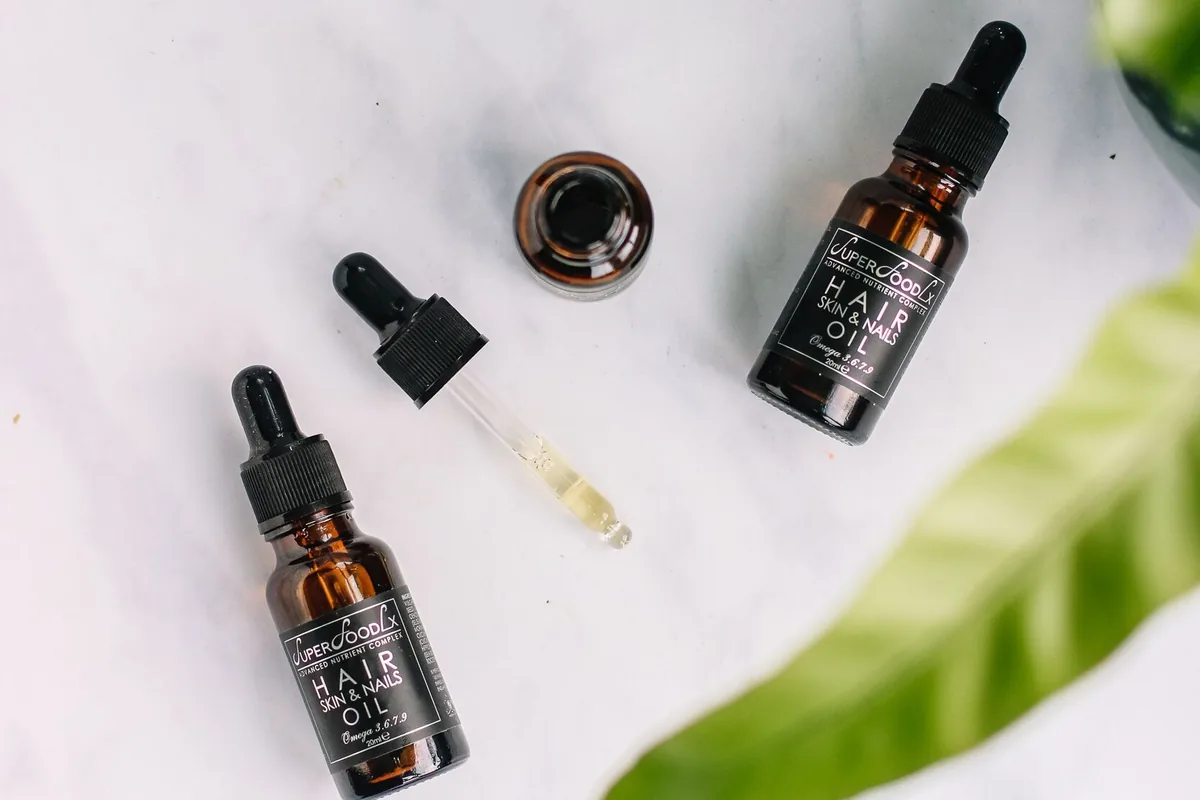
Droppers and wands that return to the bottle carry the same contamination risk in hair oil — hair oil can expire too, so check the date on the bottle.
Should You Keep or Toss Your Old Lip Gloss?
| Your situation | What the guidance supports | What to do |
|---|---|---|
| Opened, and you know when | Lip gloss shelf life varies by product. Follow the date or open-jar symbol on your tube or carton. A ’12M’ symbol means 12 months from the day you first open it. FDA | Check the manufacturer’s instructions first. If none are available, consider the conservative six-month recommendation. |
| Opening date unknown | Neither appearance nor an estimated age can reliably establish whether a product is contaminated. | Replacing it is a cautious choice, particularly if you’ve had it for a long time. Write the opening date on new products. |
| Printed date or open-jar symbol | The FDA doesn’t require ordinary U.S. cosmetics to display expiration dates. A printed date or period-after-opening symbol provides product-specific guidance. | Follow the applicable instructions, but remember that an in-date product can still become contaminated or deteriorate through improper use or storage. For SPF gloss, follow the sunscreen-specific guidance. |
| Smell, color or texture has changed | The FDA identifies these changes as possible signs of cosmetic deterioration. | Toss it, even if it hasn’t reached the suggested replacement period. |
| Used during a cold sore, or irritating your lips | Dermatology guidance supports discarding lip products used during cold sores and stopping products that trigger irritation. | Toss gloss used during a cold sore. Stop using a gloss that irritates your lips, even if it’s new. |
Cold Sores, Sharing, and Reusing Lip Gloss
The American Academy of Dermatology advises throwing away lip balm and lipstick used during a cold sore after it clears, because products that contact the affected area may become contaminated with the virus.
That particular AAD page doesn’t specifically name lip gloss. However, the academy’s broader cold-sore self-care guidance also recommends discarding cosmetics that may have touched a cold sore. Cleveland Clinic’s advice on lip products, which includes gloss, similarly recommends starting fresh after a cold sore.
Since lip gloss often makes direct contact with the lips, discarding a gloss used during an outbreak is consistent with this guidance.
Sharing gloss is also best avoided. A shared applicator can transfer microorganisms between users, and the FDA generally advises against sharing makeup.
These cold-sore recommendations shouldn’t automatically be extended to every illness or skin condition without supporting evidence.
Is Your Lip Gloss Expired, or Is It Causing Irritation?
Not every reaction means a product is old. A brand-new gloss can irritate lips or cause an allergic reaction because of an ingredient, fragrance or another component of the formula.
The AAD’s contact dermatitis guidance identifies lip gloss as a possible trigger. It also explains that a product labeled “unscented” isn’t necessarily fragrance-free.
If your lips become itchy, red or sore after using a gloss, stop using it. The AAD recommends a careful process of removing suspected products and reintroducing them individually after the reaction clears, allowing about a week for each product to help identify possible triggers.
Simply throwing away an old gloss and buying the same formula may not solve the problem if an ingredient is responsible for the reaction.
This isn’t a diagnosis. If the reaction is severe, persists or keeps returning, consult a doctor or dermatologist.
The Bottom Line
Lip gloss does expire, but there’s no single timeline that fits every product. Cleveland Clinic’s six-month recommendation is a conservative starting point, while brands may suggest longer periods depending on the formula.
Follow your gloss’s packaging instructions, replace products that develop an unusual smell, color or texture, and consider discarding older glosses when you can’t remember when they were opened. Throw away gloss used during a cold sore, avoid sharing applicators, and store products away from excessive heat and moisture.
For SPF lip gloss, follow the applicable sunscreen expiration guidance. And if a gloss irritates your lips, stop using it regardless of its age.