Yes, ordinary lip balm can deteriorate, but no single expiration period applies to every tube. The FDA says US law doesn’t require cosmetics to carry expiration dates, so the answer depends on what’s printed on your package, how long the balm has been open, how it’s been stored and whether it contains SPF. The numbers you’ll see quoted, such as a dermatologist’s six months or a brand’s one year, are different kinds of guidance, not universal deadlines. Balm with sunscreen follows different rules from ordinary balm. If your tube has a printed date, follow it.
How Long Does Lip Balm Last? Why Sources Differ
Cleveland Clinic dermatologist Shilpi Khetarpal, MD, recommends replacing lipstick, lip gloss and lip balm after about six months. That is a conservative replacement recommendation covering several products at once, not a tested expiration date or a universal safety cutoff. Her reasoning is contamination: lips carry a lot of bacteria, so lip products pick it up quickly. The same source says well-formulated makeup is generally stable for years unopened, and that opening a product exposes its ingredients to air.
ChapStick’s FAQ suggests using its balm within one year after opening, stored between 68°F and 77°F, for the freshest product. That is manufacturer-specific freshness guidance for its own products. It isn’t a guaranteed safe-use period. Burt’s Bees similarly recommends using its products within 12 months of opening, and says its cosmetics are intended to last three years from the manufacturing date.
A printed expiration date and a period-after-opening (PAO) symbol are different things. A date marks a point in time. A PAO symbol, an open-jar icon with a number such as 12M, gives a recommended period counted from the day you open the product. The same labels appear on other beauty products, although makeup expiration guidance can vary depending on the product and its packaging.
None of these figures has been established as the expiration date for every lip balm. If your balm comes with its own guidance, use it. If it doesn’t, you’re choosing between a dermatologist’s cautious recommendation and a brand’s freshness suggestion.
What to Do Based on Your Lip Balm’s Label
| Your lip balm | What to do |
|---|---|
| Ordinary balm, no date | No date is required. Follow any brand guidance. Otherwise, Cleveland Clinic’s cautious recommendation is about six months after opening, while brands such as ChapStick suggest about a year for freshness. Neither is a universal cutoff. |
| Printed date or PAO symbol | These aren’t interchangeable. A date is a point in time, and PAO counts from opening. If a product shows both, stop at whichever comes first. |
| SPF balm with a printed date | Use it before that date. After it, don’t rely on the sun protection. A PAO symbol doesn’t extend a printed date. |
| SPF balm with no date | FDA’s sunscreen guidance treats undated sunscreen as expired three years after purchase. If you can’t tell how old it is, discard it. If you’re unsure what your label means, ask the manufacturer. |
| Used during a cold sore | Throw it away once the sore clears. |
| Odd smell, texture or color, or irritation | Stop using it and replace it, whatever the date says. |
SPF and Medicated Lip Balm: What Changes?
Ordinary lip balm is a cosmetic. The FDA says no US law requires cosmetics to have specific shelf lives or expiration dates, and it leaves shelf-life decisions to manufacturers. Sunscreens are different. They are drugs, and products that are both cosmetics and sunscreens, such as makeup or moisturizer with SPF, must meet both sets of requirements. Whether a particular SPF lip balm is a drug or a drug-cosmetic combination depends on its claims.
Drug products are subject to stability requirements, and OTC drugs generally need printed expiration dates unless qualifying stability testing supports an exception. The FDA’s sunscreen guidance explains that FDA regulations generally require nonprescription (over-the-counter, or OTC) drugs to have an expiration date, unless the manufacturer’s stability testing shows the product stays stable for at least three years. For that reason, the FDA says a sunscreen without an expiration date should be considered expired three years after purchase, and that sunscreen of unknown age should be discarded.
That three-year guidance is written for sunscreen products. It isn’t an expiration rule for ordinary cosmetic lip balm, and it counts from purchase, not from the day you opened the tube.
To tell where your balm falls, look for a Drug Facts box on the package. Burt’s Bees notes that its over-the-counter products carry one and list an expiration date. A medicated balm with Drug Facts labeling is also a drug, so follow its printed date and directions. If the label isn’t clear, contact the manufacturer.
Signs It’s Time to Replace Your Lip Balm
Heat, sunlight and air can change a cosmetic’s color and texture and can make it smell, according to the FDA. Cleveland Clinic lists the same kinds of changes, along with skin reactions, as signs to throw a product away.
Replace your balm if:
- it smells sour, chemical or simply different;
- its texture or consistency has changed;
- its color has shifted;
- your lips tingle, burn or turn red after using it.
If a reaction is significant or doesn’t go away, seek medical advice.
A balm that looks and smells normal hasn’t been shown to be safe, and a change doesn’t tell you what caused it. The FDA says preservatives can break down over time and warns against leaving cosmetics where heat can speed that up, such as a hot car. Keep the cap on and store the tube somewhere cool and out of direct sun.
Lip scrub follows the same short-life logic — does lip scrub expire? Check the date on the jar or the open-jar symbol.
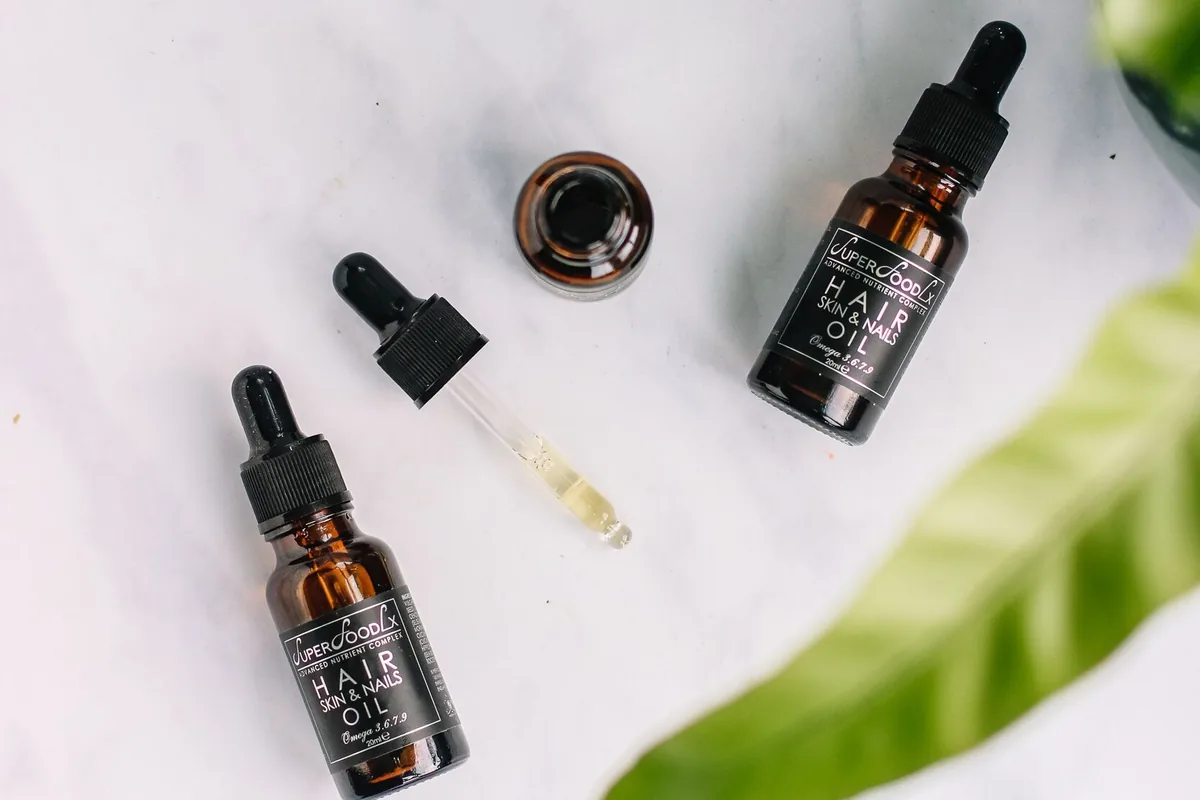
Oil-based products go rancid rather than drying out — the same is true of hair oil expiry, which the date on the bottle decides.
Cold Sores, Sharing, and Hygiene
The American Academy of Dermatology advises throwing away lip balm and lipstick you used during a cold sore once the sore clears. The virus spreads easily and can contaminate products used on or near the lips, and a contaminated product can cause another cold sore. Cleveland Clinic’s advice is similar: stop using lip products when you get a cold sore and start fresh.
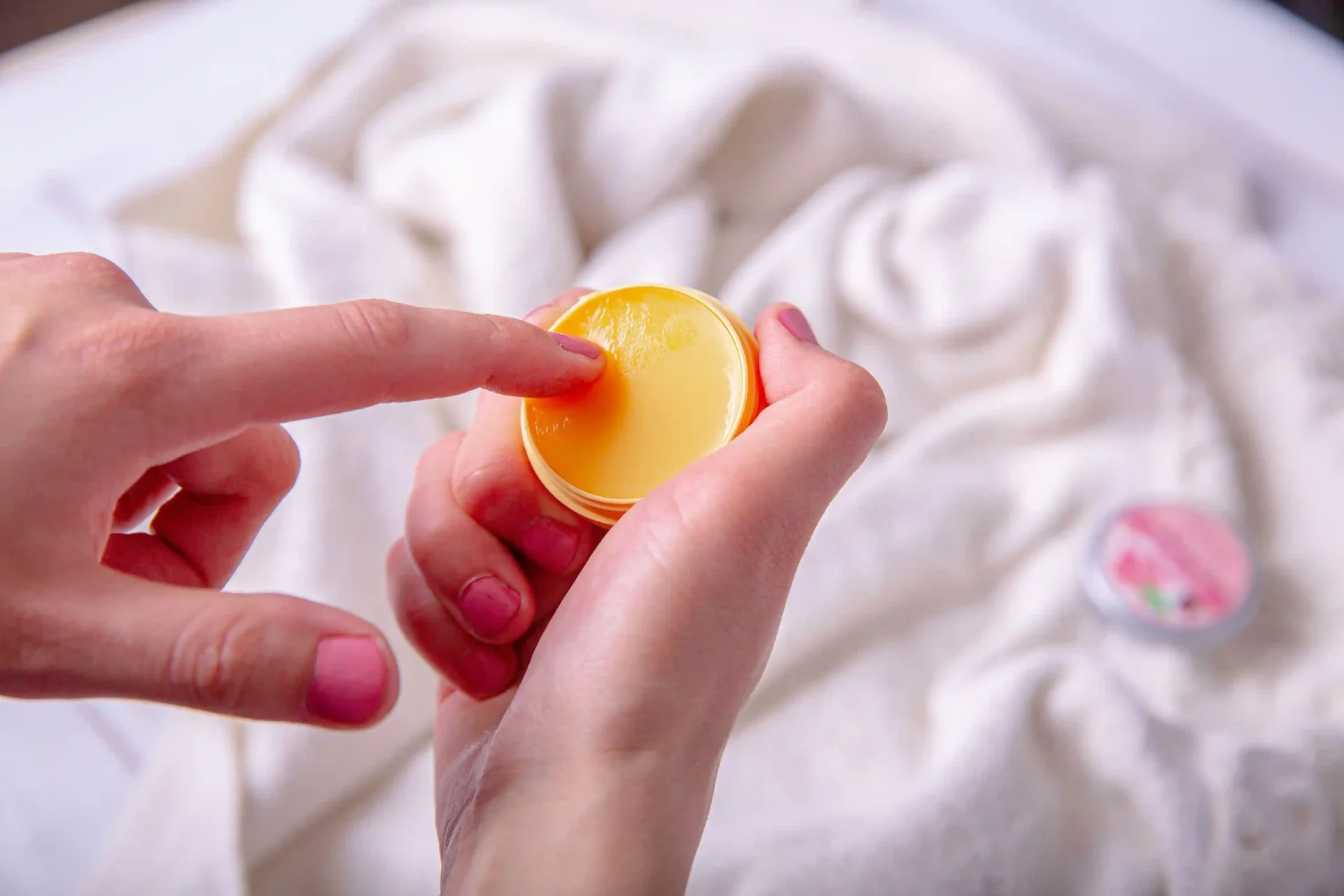
Hygiene matters on ordinary days too. The FDA notes that dipping fingers into a product adds bacteria and fungi, and it advises keeping containers and applicators clean. If your balm comes in a pot, wash your hands first or use a clean applicator, such as a cotton swab. The FDA also advises against sharing makeup, and lip balm is a sensible product to include.
Lipstick has similar hygiene concerns, but how long lipstick lasts also depends on its formulation, storage and use.
The Bottom Line
Follow a printed date or the brand’s own guidance first, and don’t treat a date and a PAO symbol as the same thing. For ordinary balm with no date, Cleveland Clinic’s dermatologist recommends a cautious six months after opening, and ChapStick suggests about a year for freshness. Neither is a universal cutoff. For SPF balm, respect the printed date, or FDA’s three-year sunscreen guidance if there isn’t one. Replace any balm that changes, irritates your lips or was used during a cold sore.